


Adenomyosis Symptoms and Diagnosis — What You Need to Know
Learn why understanding adenomyosis symptoms and diagnosis matters, how it differs from endometriosis, and how early detection can restore comfort and quality of life.
Dr. Smita Sinha
11/28/20254 min read
If you’ve been struggling with painful, heavy periods or feeling bloated and tired all the time, you may have heard of endometriosis — but what about its lesser-known sister, adenomyosis?
Adenomyosis is a common yet often overlooked condition that affects women of reproductive age. It is frequently mistaken for “just bad period pain,” causing many women to suffer in silence for years without a proper diagnosis. Understanding adenomyosis symptoms and diagnosis can help women seek timely treatment and find relief.
What Is Adenomyosis?
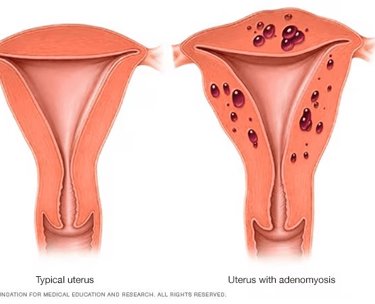
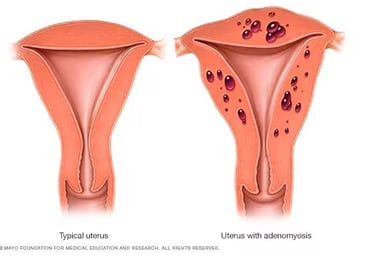
Adenomyosis occurs when the tissue that normally lines the inside of the uterus (the endometrium) begins to grow into the muscular wall of the uterus. This leads to inflammation, thickening, and enlargement of the uterus over time.
While endometriosis affects tissues outside the uterus, adenomyosis happens within the uterine muscle itself. Because of this, many patients experience a heavy, dragging sensation or bloating in the lower abdomen, in addition to severe menstrual cramps.
This internal growth of endometrial tissue causes the uterus to react with swelling and pain, often leading to heavy or prolonged menstrual bleeding and discomfort that worsens with age.
📞 Need Help?
To speak with a compassionate and experienced specialist, contact Dr. Smita, Consultant Gynaecologist at KPJ Selangor Specialist Hospital, Shah Alam.
💬 WhatsApp us at +60165833302 to book an appointment and get the personalised care you deserve.


When to See a Gynaecologist
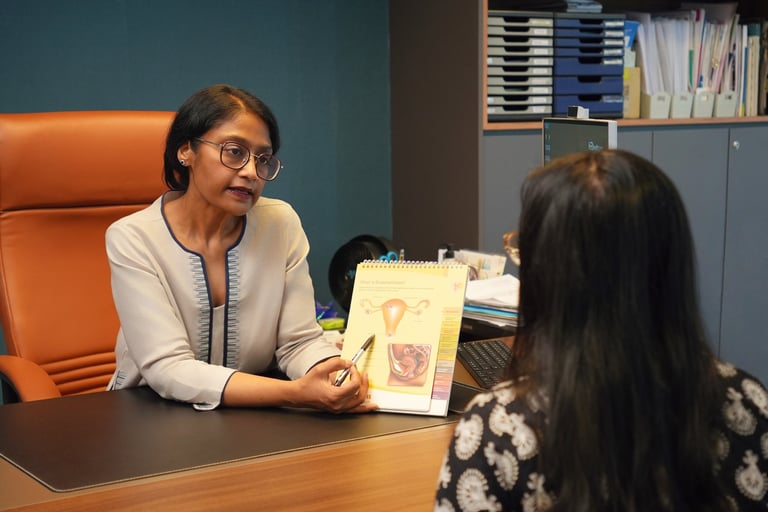
If your period pain or bleeding affects your ability to work, sleep, or enjoy daily life, it’s time to seek help. A gynaecologist familiar with adenomyosis symptoms and diagnosis can evaluate your condition and recommend a treatment plan tailored to your needs.
Ignoring the symptoms or simply “pushing through the pain” can lead to worsening inflammation, anaemia, and emotional distress. Early intervention not only improves comfort but also protects long-term reproductive and hormonal health.
There is no one-size-fits-all approach when it comes to treating adenomyosis. Management depends on factors such as age, severity of symptoms, and whether you plan to have children in the future.
Common treatment options include:
Hormonal therapy
Birth control pills, hormonal IUDs (like Mirena), or GnRH analogues can reduce bleeding and ease pain.Pain management
Over-the-counter anti-inflammatory medications (NSAIDs) help manage menstrual pain.Fertility-preserving treatments
For women planning pregnancy, non-surgical management may be recommended, sometimes combined with fertility support.Surgical options
In severe cases where symptoms persist and fertility is not a concern, hysterectomy may be considered as a definitive treatment.
Lifestyle changes, such as adopting an anti-inflammatory diet, managing stress, and taking iron supplements if anaemic, can also improve overall well-being and reduce symptom severity.
Treatment Options for Adenomyosis
Conclusion: Relief Is Possible
Adenomyosis can feel overwhelming, but you don’t have to live in constant discomfort. With the right diagnosis and personalised care, it’s possible to manage symptoms, regain energy, and restore your quality of life.
If you’re struggling with heavy bleeding, chronic cramps, or unexplained pelvic pain, reach out for professional help.
Consult Dr. Smita, consultant gynaecologist based in Kuala Lumpur, who specialises in diagnosing and managing adenomyosis and endometriosis with compassion and expertise.
The signs of adenomyosis can vary from mild discomfort to symptoms that severely affect daily life. The most common adenomyosis symptoms include:
Severe menstrual cramps that intensify as you get older
Heavy or prolonged periods, sometimes with blood clots
Persistent bloating or a feeling of pelvic pressure
Pain during sexual intercourse
Fatigue and weakness due to iron deficiency anaemia from excessive bleeding
Some women with adenomyosis also describe constant dull pelvic pain, even outside their menstrual cycle. Others may find their abdomen feels tender or swollen — sometimes mistaken for weight gain or water retention.


One of the main challenges in managing adenomyosis is how easily it can be mistaken for other gynaecological or hormonal conditions. Because its symptoms overlap with disorders like fibroids or endometriosis, many patients are misdiagnosed or told that their pain is “normal.”
Additionally, adenomyosis does not always present with clear imaging results, especially in the early stages. For this reason, adenomyosis diagnosis requires a careful review of symptoms, medical history, and specific imaging by an experienced gynaecologist.
Unfortunately, the tendency to normalise women’s pain — assuming heavy or painful periods are “just part of being a woman” — also leads to significant delays in diagnosis and treatment.


Modern diagnostic methods have improved greatly, allowing earlier and more accurate detection of adenomyosis. Diagnosis typically involves:
Pelvic ultrasound by a trained specialist
– A high-quality transvaginal ultrasound can reveal thickening of the uterine wall and other subtle changes.MRI scan for complex cases
– MRI offers detailed imaging and helps distinguish adenomyosis from fibroids or other uterine abnormalities.Comprehensive symptom and menstrual history review
– A good diagnosis goes beyond scans. Understanding how pain, bleeding, and fatigue correlate with your cycle is essential for identifying adenomyosis.
In some cases, adenomyosis is only confirmed during surgery or after a hysterectomy, but with improved imaging and awareness, more cases are now detected non-surgically.



Common Symptoms of Adenomyosis
Why Adenomyosis Is Often Misdiagnosed
How Is Adenomyosis Diagnosed?
Source: mayoclinic.org
Source: webmd.com
Contact Us
Clinic: +60355433285
Whatsapp: +60165833302
Email: smitaobgyn@gmail.com


Why Us?
About Us
Services
Endometriosis
Robotic Surgery
Articles