


10 Facts About Endometriosis Surgery You Should Know
Learn what to expect from endometriosis surgery, including benefits, recovery, fertility impact, and why choosing an experienced surgical team matters. Check this out
Dr. Smita Sinha
2/20/20264 min read
For many women living with persistent pelvic pain, heavy periods, or fertility struggles, endometriosis surgery may be recommended as part of treatment. While surgery can sound intimidating, understanding what it involves and what outcomes to expect can make the decision far less overwhelming.
Endometriosis occurs when tissue similar to the lining of the uterus grows outside the womb, causing inflammation, scarring, and pain. When symptoms cannot be controlled with medication or hormonal therapy, surgery may offer significant relief and improve quality of life.
Here are ten important facts patients should know before considering endometriosis surgery.
1. Laparoscopic Surgery Is the Gold Standard
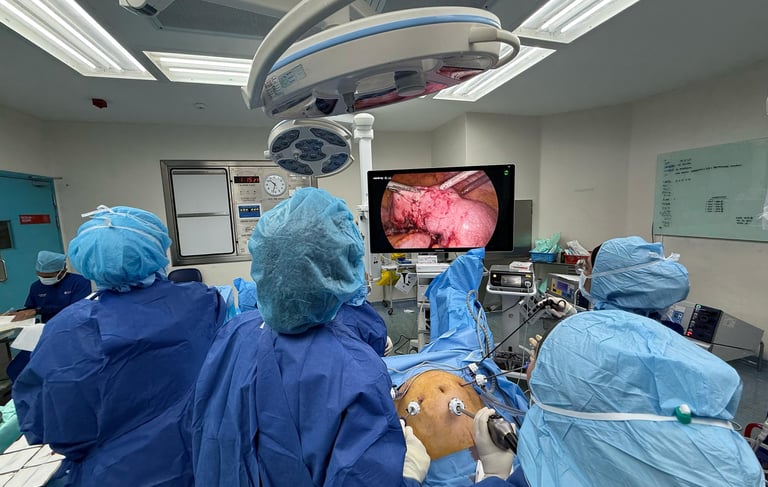
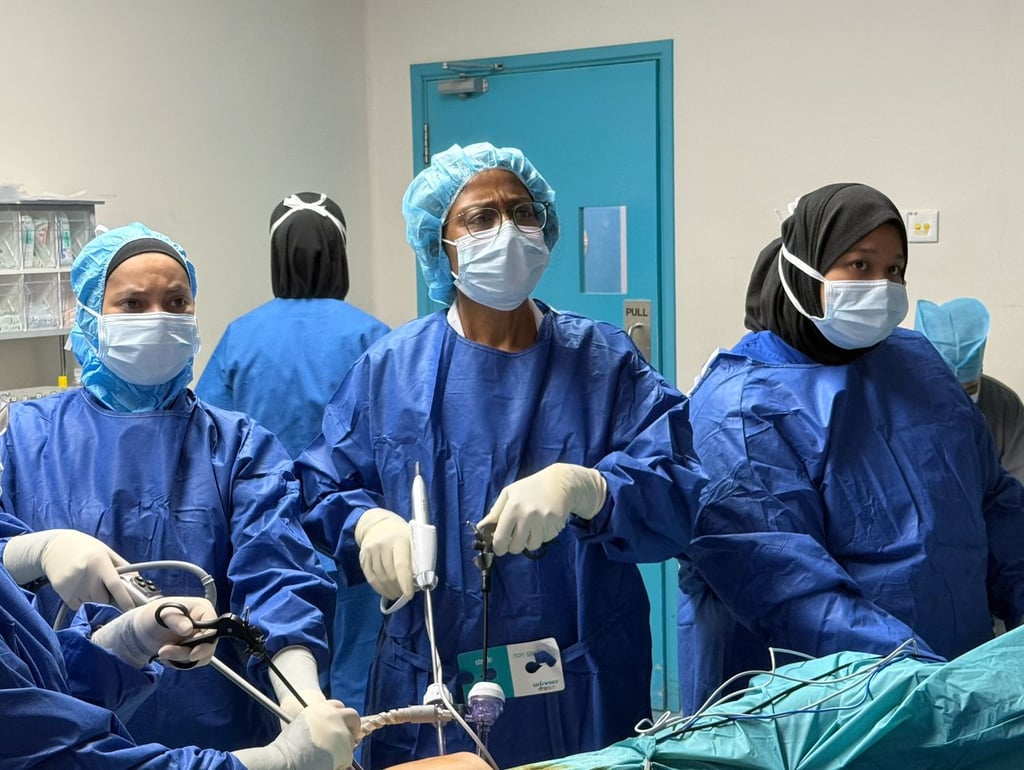
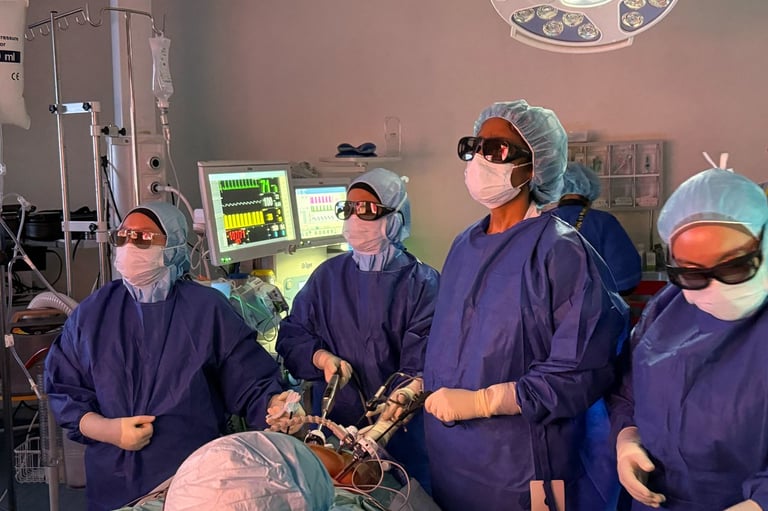
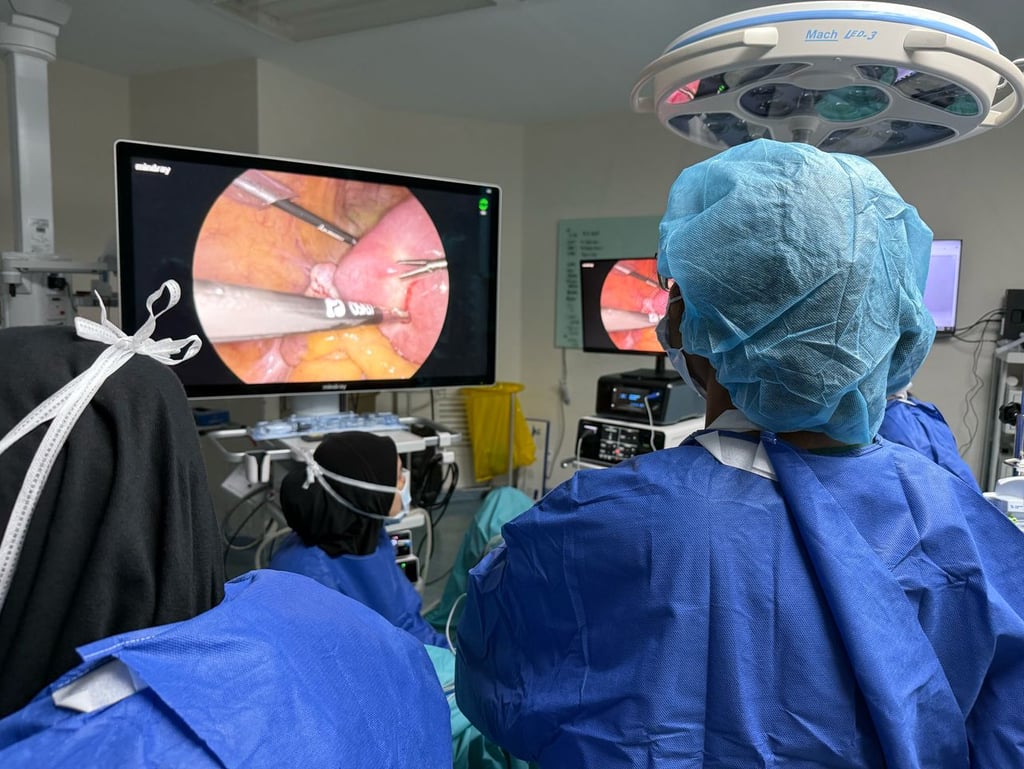
Most modern endometriosis surgery is performed using laparoscopy, a minimally invasive technique. Instead of one large incision, surgeons operate through several small cuts using a camera and specialised instruments.
This approach typically leads to less pain after surgery, smaller scars, shorter hospital stays, and faster recovery compared to traditional open surgery.
6. Surgery Can Reduce Pain and Improve Daily Life
One of the main goals of surgery is pain relief. Many patients experience significant improvement in symptoms such as severe menstrual pain, chronic pelvic pain, painful intercourse, and bowel discomfort.
Improved symptom control can allow patients to return to work, social activities, exercise, and everyday routines that were previously limited.
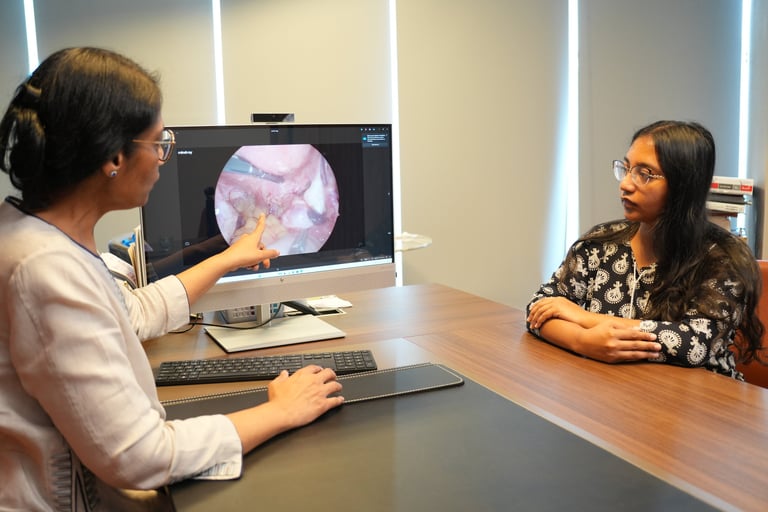
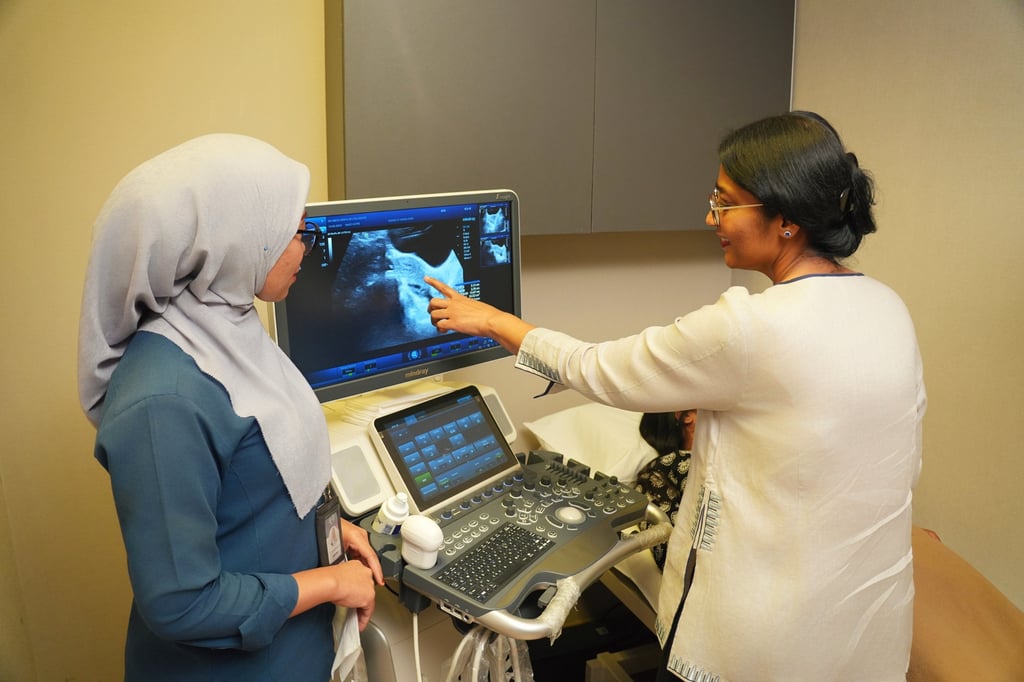
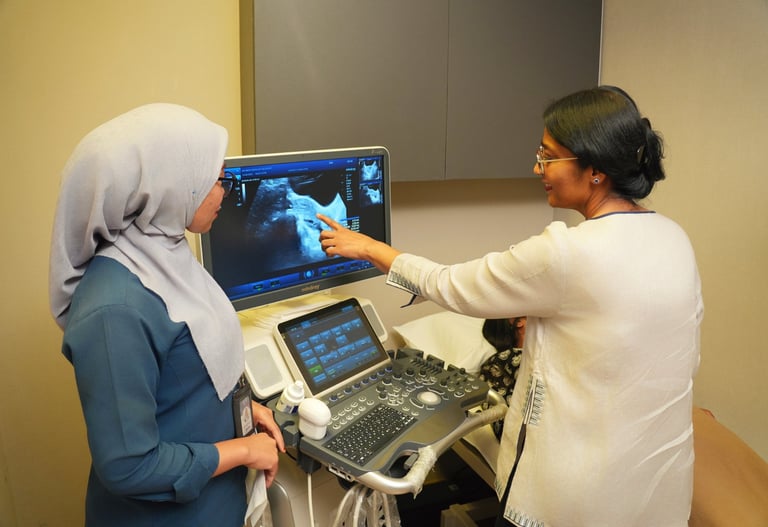
Imaging studies such as ultrasound or MRI are often used before surgery to map the location and extent of disease. While imaging may not detect all endometriosis, it helps surgeons anticipate complexity and plan the safest surgical approach.
Preoperative planning is a key factor in successful endometriosis surgery.
5. Imaging Helps Plan the Procedure
7. Fertility May Improve After Surgery
Endometriosis can affect fertility by damaging the ovaries, fallopian tubes, or pelvic anatomy. Removing endometriosis lesions and scar tissue may improve the chances of natural conception in some individuals.
However, fertility outcomes vary depending on age, disease severity, and other reproductive factors.
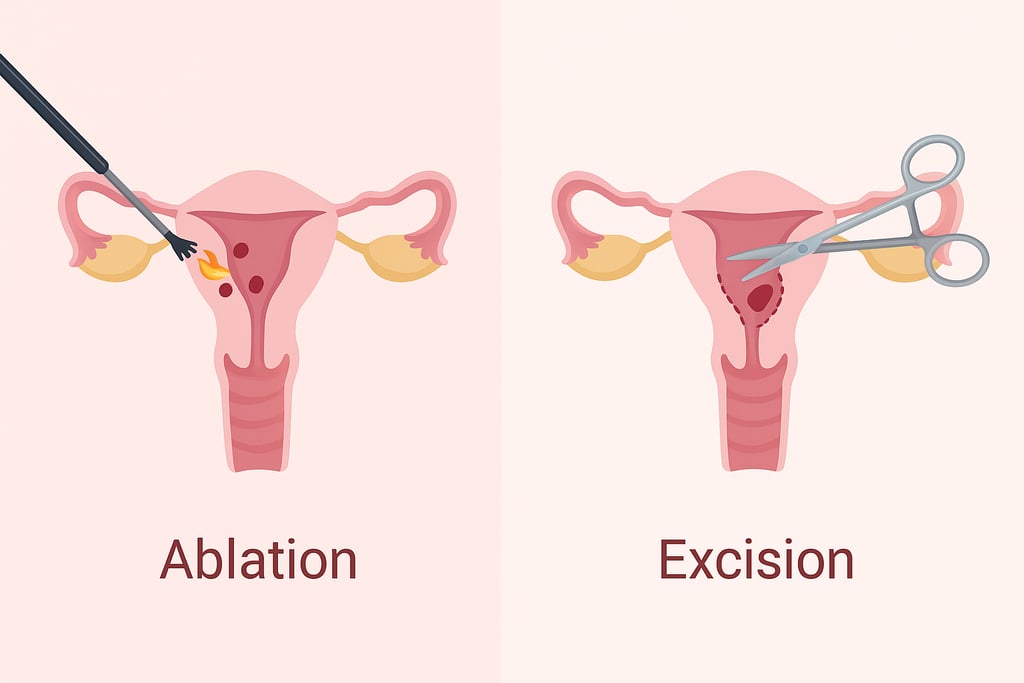
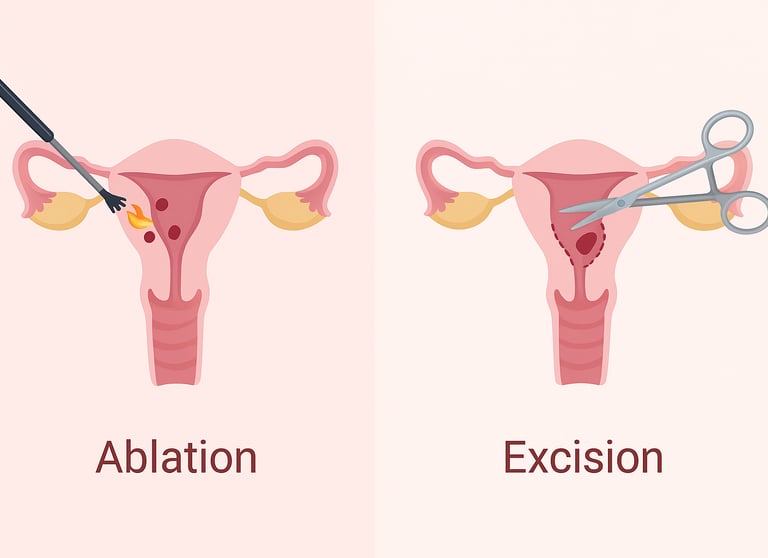
There are two main surgical techniques used to treat endometriosis: excision and ablation.
Excision surgery cuts out the endometriosis tissue completely, including deeper portions beneath the surface. Ablation, on the other hand, burns the visible surface layer but may leave underlying disease behind.
Many specialists consider excision the preferred method because it targets the root of the condition and may reduce the chance of recurrence.
Endometriosis surgery is technically complex. The disease can affect delicate areas such as the bowel, bladder, ureters, and nerves. Removing it safely requires specialised training and experience.
Patients are often encouraged to seek a surgeon who has specific expertise in endometriosis rather than general gynaecological surgery alone.
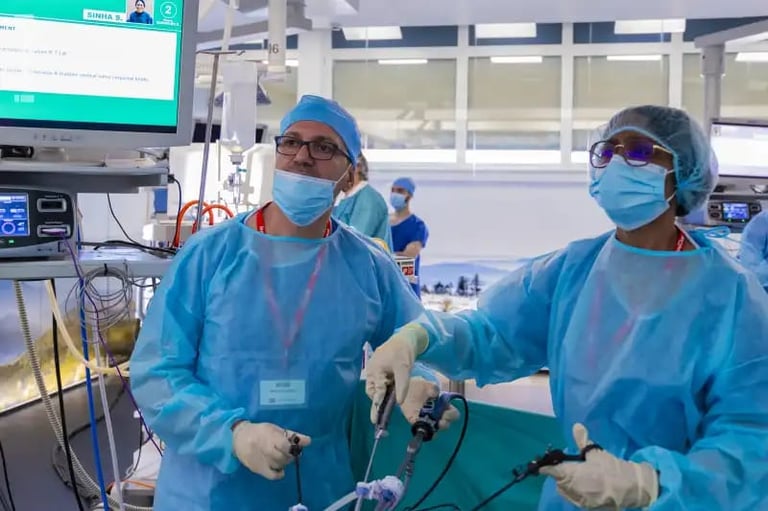
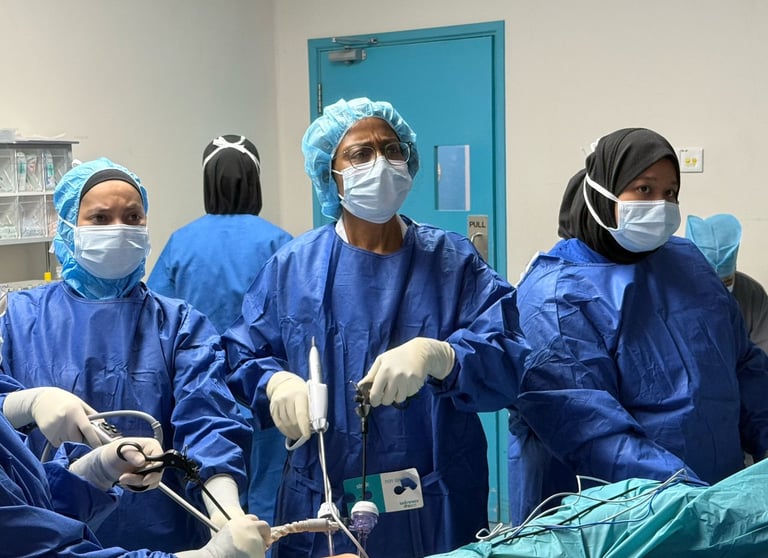
In advanced cases, endometriosis may involve multiple organs. When this happens, a team approach is often required. Surgeons from different specialties, such as colorectal surgeons or urologists, may be involved to ensure all affected areas are treated safely.
This collaborative approach can improve outcomes and reduce the risk of complications.


2. Excision Removes Disease at Its Root
3. Surgeon Experience Matters Significantly
4. A Multidisciplinary Team May Be Needed
📞 Need Help?
To speak with a compassionate and experienced specialist, contact Dr. Smita, Consultant Gynaecologist at KPJ Selangor Specialist Hospital, Shah Alam.
💬 WhatsApp us at +60165833302 to book an appointment and get the personalised care you deserve.
8. Recovery Time Varies
Recovery from endometriosis surgery is not the same for everyone. Some patients resume light activities within a few days, while others may need several weeks, particularly after extensive procedures.
Factors affecting recovery include the severity of disease, the organs involved, and the individual’s overall health.
9. Specialised Centres Often Provide Better Outcomes
Hospitals or clinics with dedicated endometriosis programs typically offer coordinated care, experienced surgeons, and comprehensive support services. This may include pain management, fertility counselling, physiotherapy, and psychological support.
Such holistic care can make a meaningful difference in both short-term recovery and long-term management.
10. Complete Removal May Reduce Recurrence
Endometriosis is a chronic condition, and recurrence is possible. However, thorough removal of visible disease during surgery may lower the likelihood of symptoms returning.
Long-term management may still involve medication, lifestyle adjustments, or ongoing monitoring depending on the individual case.
Practical Advice for Patients Considering Surgery
Choosing to undergo endometriosis surgery is a personal decision that should be made after careful discussion with a qualified healthcare professional. Patients may benefit from asking questions about:
The surgeon’s experience with endometriosis
Expected benefits and risks
Recovery timeline
Impact on fertility
Alternative treatment options
Keeping a symptom diary before consultations can also help guide decision-making.
When to Seek Medical Advice
Persistent pelvic pain, severe menstrual cramps that interfere with daily life, pain during intercourse, bowel or bladder symptoms related to the menstrual cycle, or unexplained infertility may warrant evaluation by a gynaecologist.
Early assessment can lead to earlier treatment and potentially prevent progression of the disease.
Conclusion
Although the idea of surgery can be daunting, modern endometriosis surgery has advanced significantly and offers meaningful relief for many patients. With the right surgical expertise, proper planning, and appropriate follow-up care, it can be a life-changing step toward better health and improved quality of life.
Anyone experiencing ongoing symptoms or considering treatment options should consult a qualified gynaecologist to discuss whether surgery is appropriate for their individual situation.


Contact Us
Clinic: +60355433285
Whatsapp: +60165833302
Email: smitaobgyn@gmail.com


Why Us?
About Us
Services
Endometriosis
Robotic Surgery
Articles