

Endometriosis and Ovarian Cancer: What Patients Need to Know
Learn about the link between endometriosis and ovarian cancer, including key risk factors, common symptoms to watch for, and when to seek medical advice for early detection, monitoring, and appropriate care.
Dr. Smita Sinha
4/17/20264 min read
Endometriosis is a chronic gynaecological condition that affects many individuals of reproductive age. It occurs when tissue similar to the lining of the uterus grows outside the uterus, leading to pain, inflammation, and sometimes fertility challenges.
Recent research has drawn attention to a possible association between endometriosis and ovarian cancer. While this link does not mean that most people with endometriosis will develop cancer, it has raised important questions about risk, monitoring, and early detection.
Understanding this relationship helps patients stay informed without unnecessary fear and encourages timely medical follow up when needed.
What Research Says About Endometriosis and Ovarian Cancer
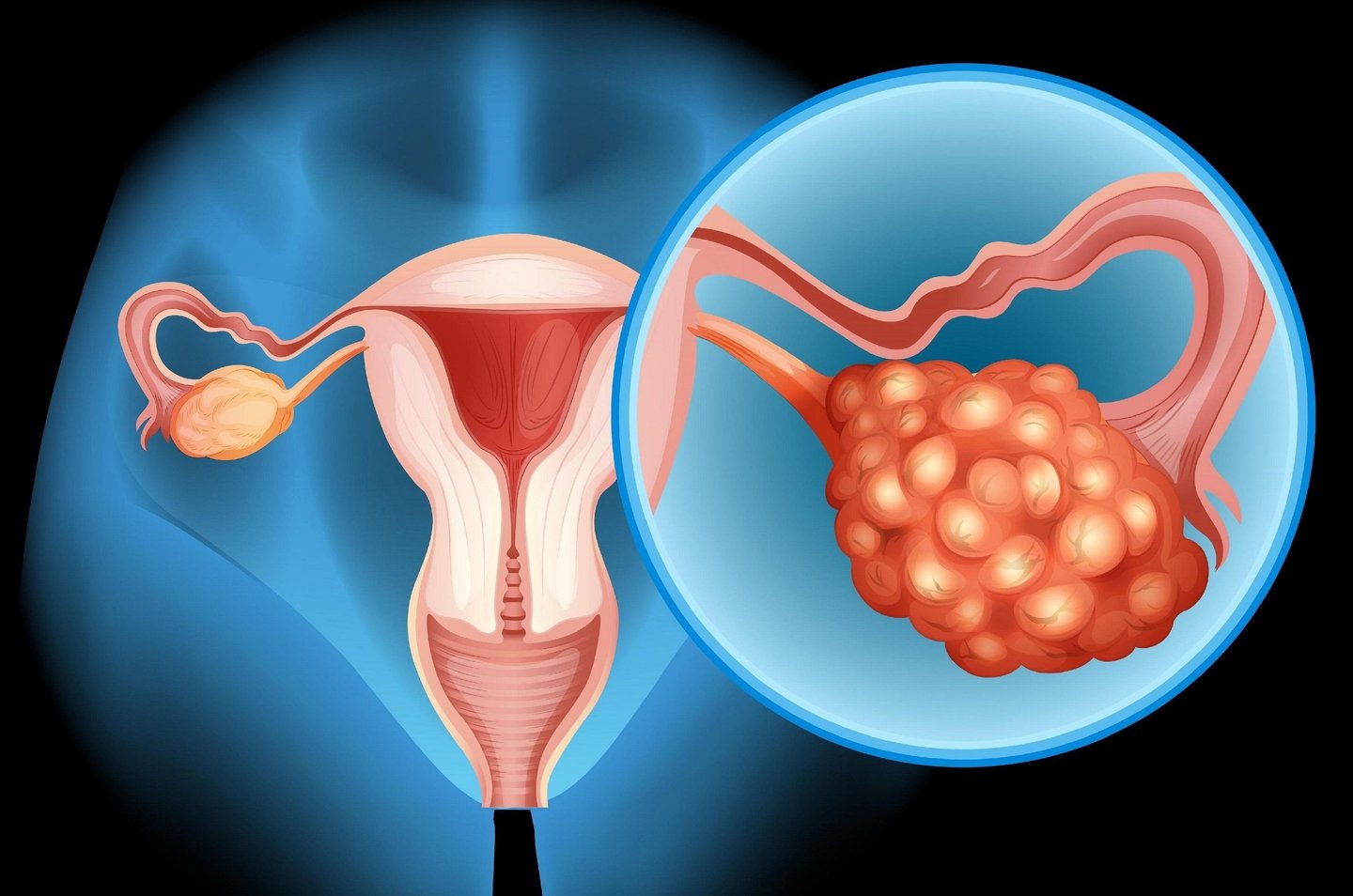
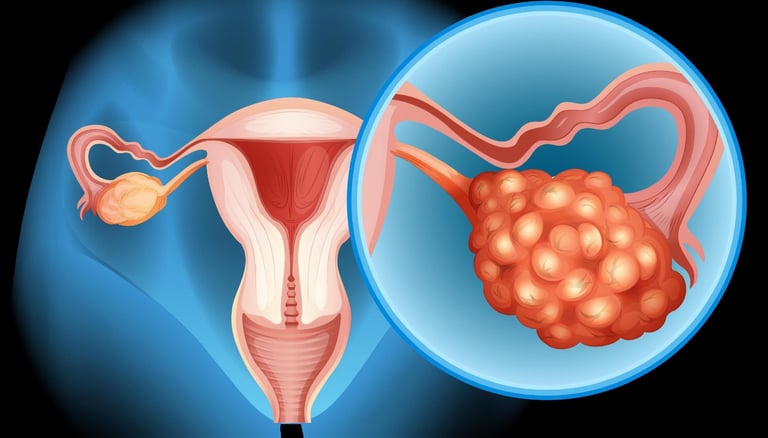
A large recent study suggests that up to one in four ovarian cancer cases may be linked to endometriosis. This does not mean endometriosis directly causes cancer, but it indicates a possible association in certain individuals.
Overall, research shows that individuals with endometriosis may have a higher risk of ovarian cancer compared to those without the condition. However, the absolute risk remains low for most people.
It is also important to note that endometriosis and ovarian cancer are not linked equally in all cases. The risk varies depending on the type and severity of endometriosis.
Key Message for Patients
The most important message is that awareness should replace fear.
While studies show a possible association between endometriosis and ovarian cancer, the majority of patients with endometriosis do not develop cancer. Instead, the focus should be on informed care, symptom tracking, and timely medical consultation when needed.
Understanding your body and recognising changes early can make a meaningful difference in long term health outcomes.
Regular gynaecological follow up plays an important role in managing endometriosis. Monitoring allows healthcare professionals to track changes, manage symptoms effectively, and identify any unusual developments early.
For individuals with more complex endometriosis, such as ovarian involvement or deep disease, periodic reviews may be especially important.
Early evaluation does not only focus on cancer risk. It also supports better pain management, fertility planning, and overall quality of life.
Why Regular Monitoring Matters
Conclusion and Call to Action
The link between endometriosis and ovarian cancer is an evolving area of medical research. Although there may be a slightly increased risk in certain cases, most individuals with endometriosis remain unaffected by cancer.
Patients are encouraged to take symptoms seriously, attend regular follow ups, and seek medical advice when changes occur.
If there are concerns about endometriosis symptoms, ovarian cysts, or long term pelvic pain, a consultation with a Consultant Gynaecologist can help provide clarity, reassurance, and appropriate management options.
Early awareness supports better outcomes, improved quality of life, and peace of mind.
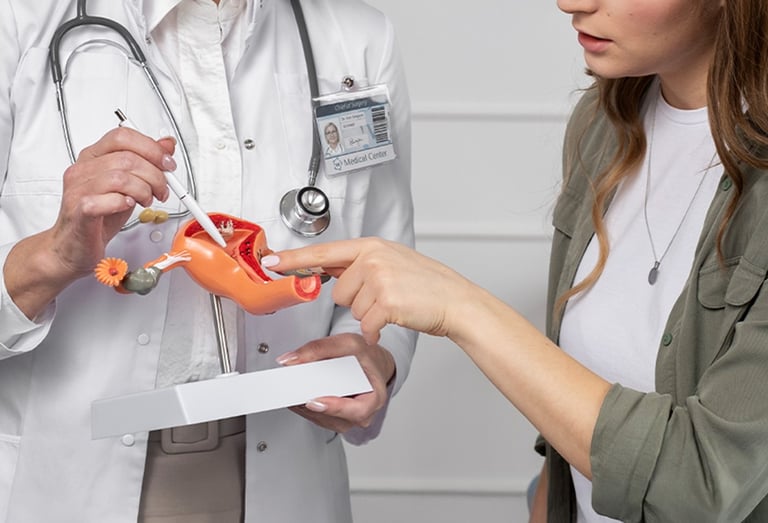
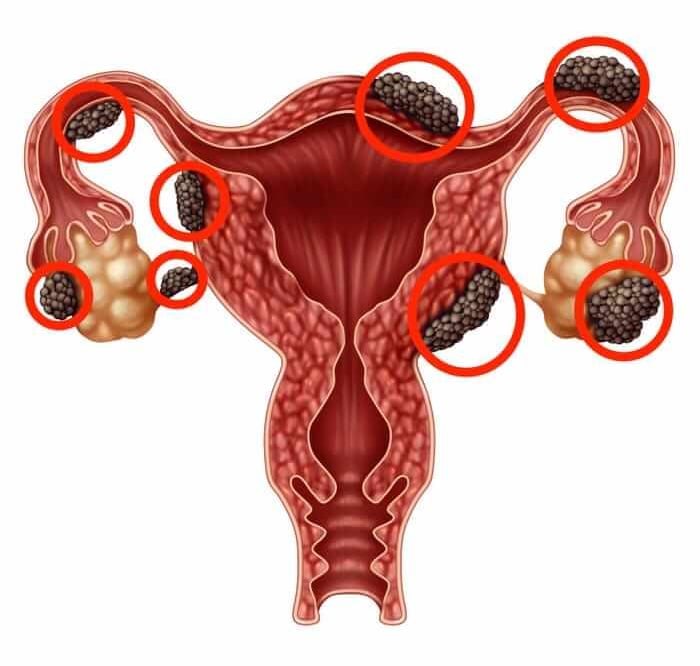
The connection between endometriosis and ovarian cancer appears stronger in specific subtypes of the condition.
Higher risk has been observed in individuals with:
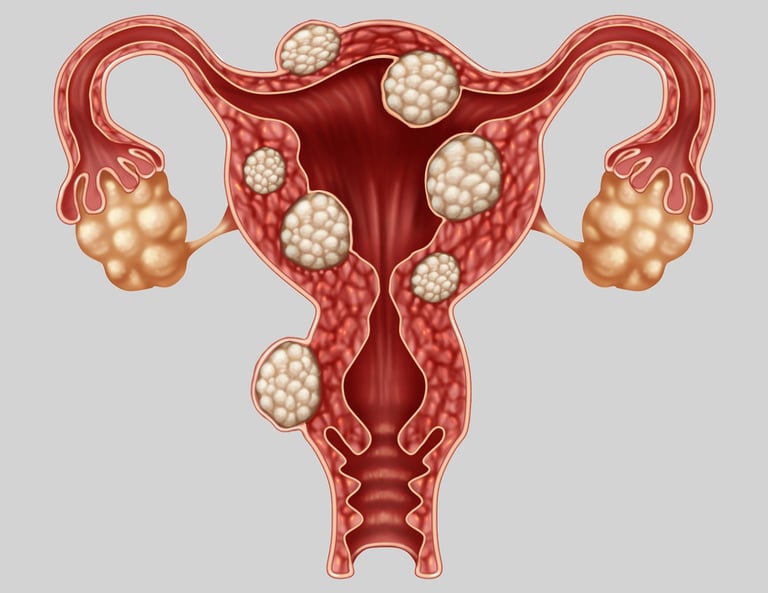
Ovarian endometriomas, which are cysts formed due to endometriosis on the ovaries
Deep infiltrating endometriosis, where the disease spreads more deeply into pelvic structures
These forms of endometriosis may be associated with long term inflammation and tissue changes, which are being studied for their potential role in cancer development.
It is crucial to understand that having endometriosis does not mean a person will develop ovarian cancer.
Most individuals with endometriosis will never develop cancer in their lifetime. The conversation around endometriosis and ovarian cancer is about awareness, not alarm.
However, because there may be a slightly increased risk in certain cases, doctors recommend paying closer attention to persistent or changing symptoms.


People with endometriosis should consider medical review if they experience:
Persistent pelvic pain that does not improve over time
Bloating that continues or worsens
Changes in symptom pattern compared to previous cycles
Ovarian cysts that are being monitored or increasing in size
General symptoms such as fatigue or ongoing discomfort
These symptoms do not automatically indicate cancer. However, they are important reasons to reassess and ensure appropriate follow up.
Understanding the relationship between endometriosis and ovarian cancer helps patients and clinicians stay proactive rather than reactive.





Who May Have Higher Risk?
Important Reassurance for Patients
Symptoms and When to Seek Medical Advice
📞 Need Help?
To speak with a compassionate and experienced specialist, contact Dr. Smita, Consultant Gynaecologist at KPJ Selangor Specialist Hospital, Shah Alam.
💬 WhatsApp us at +60165833302 to book an appointment and get the personalised care you deserve.


Contact Us
Clinic: +60355433285
Whatsapp: +60165833302
Email: smitaobgyn@gmail.com


Why Us?
About Us
Services
Endometriosis
Robotic Surgery
Articles