


Endometriosis Treatment Approach: Why It Requires Precision, Not Aggression
Learn about the endometriosis treatment approach, why it requires careful and precise management, and how expert surgery can help protect fertility and long term health outcomes.
Dr. Smita Sinha
4/17/20264 min read
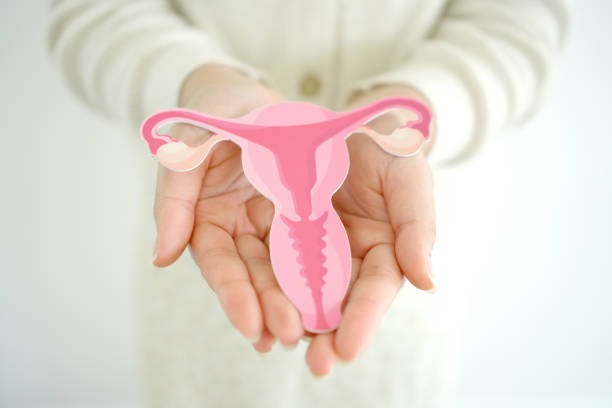
Endometriosis is often misunderstood as just a painful period condition. In reality, it is a complex and sometimes progressive disease that can significantly impact a person’s quality of life, fertility, and organ function.
Many specialists emphasise that the endometriosis treatment approach should be taken seriously, much like other chronic or invasive conditions. While endometriosis is not cancer, it shares certain behaviours that require careful and strategic management.
Understanding how endometriosis behaves and why treatment must be precise can help patients make more informed decisions about their care.
How Endometriosis Behaves in the Body
One reason the endometriosis treatment approach is so important is due to how the condition spreads and affects the body.
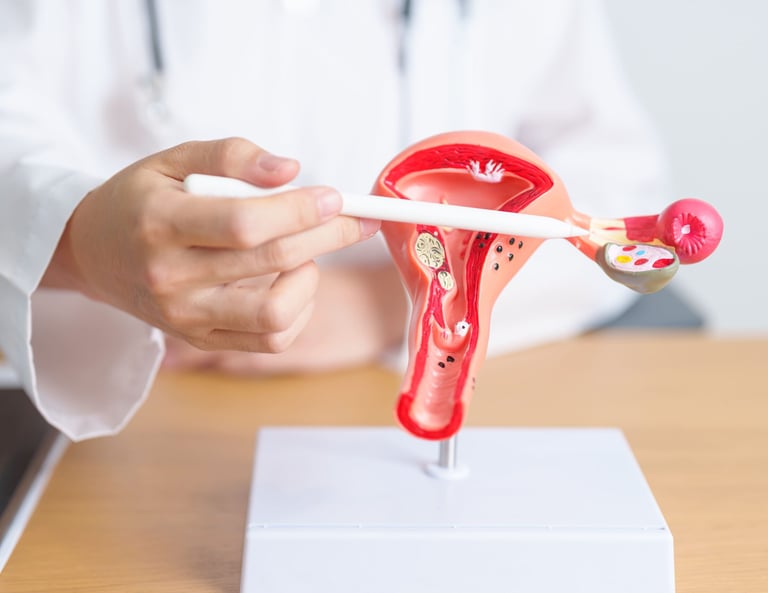
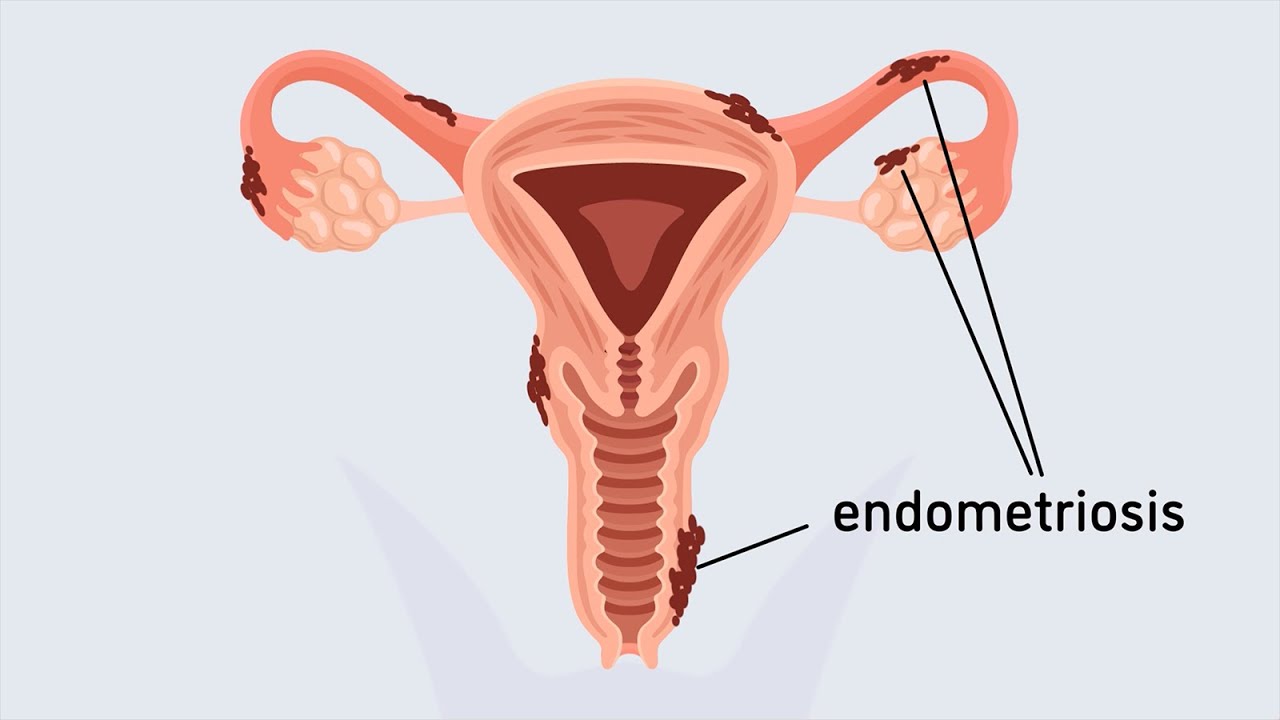
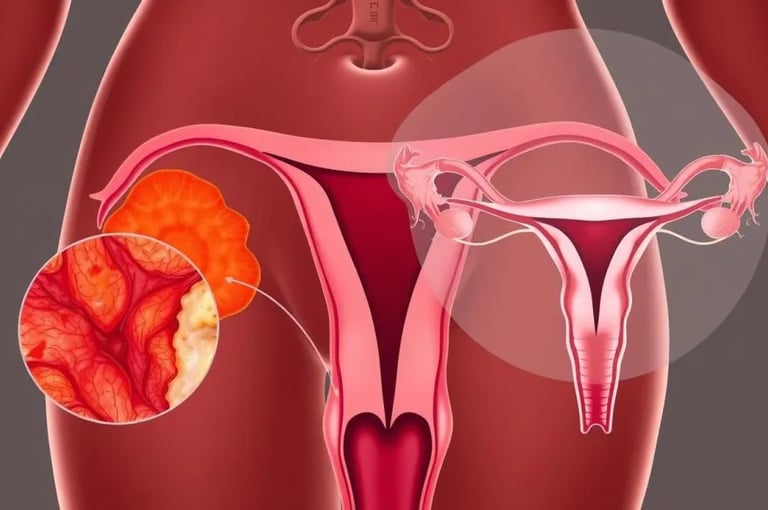
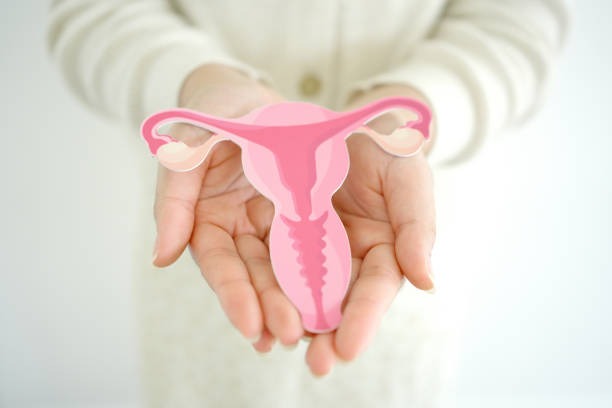
Endometriosis does not always remain in one location. It can grow into nearby tissues and organs such as the ovaries, bowel, bladder, and pelvic lining. Over time, this can lead to inflammation, scarring, and distortion of normal anatomy.
As the disease progresses, it may interfere with how organs function. This can result in symptoms such as chronic pelvic pain, painful periods, digestive issues, and fertility challenges.
Because of this behaviour, untreated or inadequately managed endometriosis may lead to recurring symptoms or gradual worsening over time.
Key Message for Patients
The most important takeaway is that endometriosis requires thoughtful and well planned care.
The endometriosis treatment approach is not about being aggressive. It is about being strategic, precise, and patient centred.
When managed appropriately, treatment can not only reduce pain but also protect fertility, improve organ function, and enhance overall quality of life.
While surgery is an important part of management for some patients, the endometriosis treatment approach is not limited to surgical intervention.
Management may also include:
Symptom monitoring and regular follow up
Hormonal therapies to control disease activity
Pain management strategies
Fertility planning where relevant
Each treatment plan should be individualised based on the patient’s symptoms, age, fertility goals, and severity of disease.
Beyond Surgery: A Comprehensive Approach
Conclusion and Call to Action
Endometriosis is a complex condition that should not be underestimated. Its ability to affect multiple organs and cause long term complications makes proper management essential.
While it is not cancer, the seriousness of the condition highlights the need for a careful and informed endometriosis treatment approach.
If there are concerns about symptoms, treatment options, or surgical plans, seeking expert advice can provide clarity and reassurance.
Consulting a Consultant Gynaecologist can help patients better understand their condition, explore suitable treatment options, and make confident decisions about their health.
The comparison between endometriosis and cancer is often misunderstood. It is important to clarify that endometriosis is not cancer.
However, the endometriosis treatment approach is sometimes described as similar in terms of seriousness. Like cancer, endometriosis can invade surrounding tissues and cause structural changes within the body.
Despite this similarity, the treatment goals are very different. Cancer treatment often focuses on removing all abnormal tissue as aggressively as possible. In contrast, endometriosis treatment focuses on balance.
The aim is not to remove everything at all costs, but to carefully remove disease while preserving healthy organs and function.
It is crucial to understand that having endometriosis does not mean a person will develop ovarian cancer.
Most individuals with endometriosis will never develop cancer in their lifetime. The conversation around endometriosis and ovarian cancer is about awareness, not alarm.
However, because there may be a slightly increased risk in certain cases, doctors recommend paying closer attention to persistent or changing symptoms.
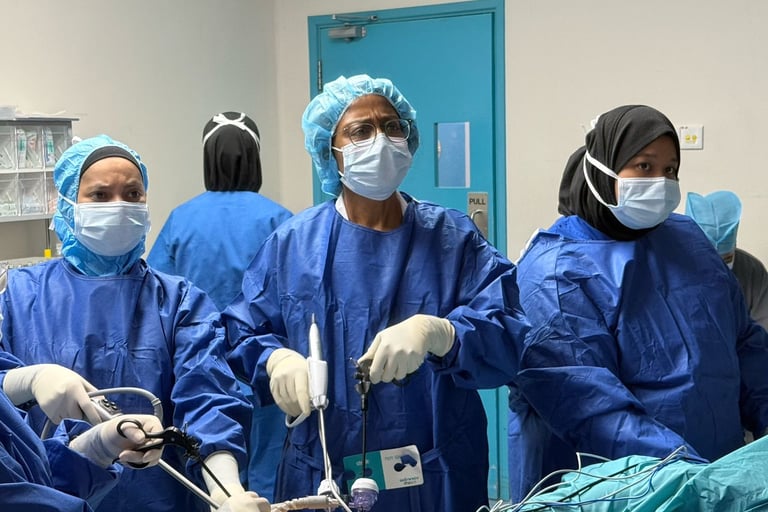
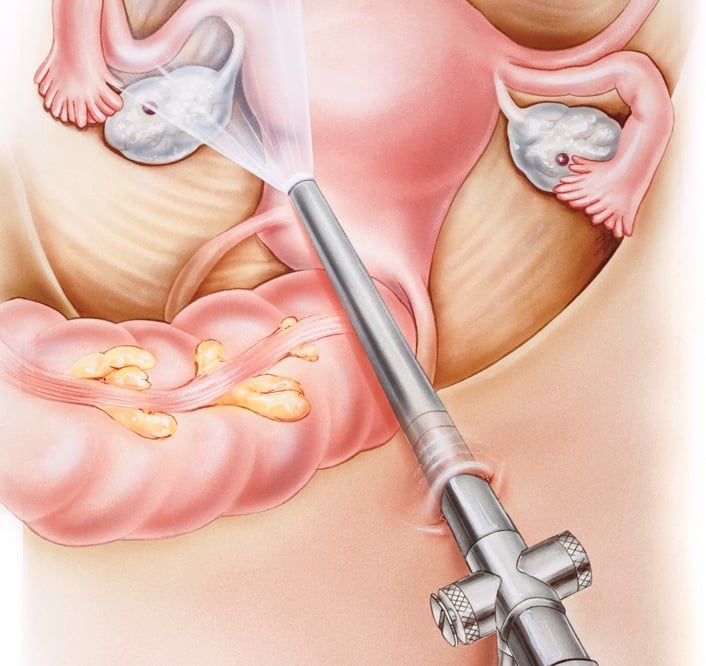
Not all surgeries for endometriosis are the same. The endometriosis treatment approach relies heavily on the experience and skill of the treating surgeon.
A well trained specialist understands how to:
Assess the extent of disease accurately
Plan surgery based on individual anatomy and symptoms
Remove endometriosis lesions carefully and thoroughly
Preserve fertility whenever possible
Minimise damage to surrounding organs and nerves
Choosing the right surgeon can significantly influence both short term recovery and long term outcomes.
Patients are encouraged to ask questions about their treatment plan, including the goals of surgery, expected outcomes, and potential risks.


Why It Is Compared to Cancer, But Not the Same
The Importance of Precision in Treatment
Why Choosing the Right Surgeon Matters
📞 Need Help?
To speak with a compassionate and experienced specialist, contact Dr. Smita, Consultant Gynaecologist at KPJ Selangor Specialist Hospital, Shah Alam.
💬 WhatsApp us at +60165833302 to book an appointment and get the personalised care you deserve.


Contact Us
Clinic: +60355433285
Whatsapp: +60165833302
Email: smitaobgyn@gmail.com


Why Us?
About Us
Services
Endometriosis
Robotic Surgery
Articles