

IVF with Endometriosis: What You Need to Know Before Starting Treatment
Planning IVF with endometriosis? Learn how endometriosis affects fertility, IVF success rates, treatment options, and steps to improve outcomes. Read to find out more.
Dr. Smita Sinha
1/2/20264 min read
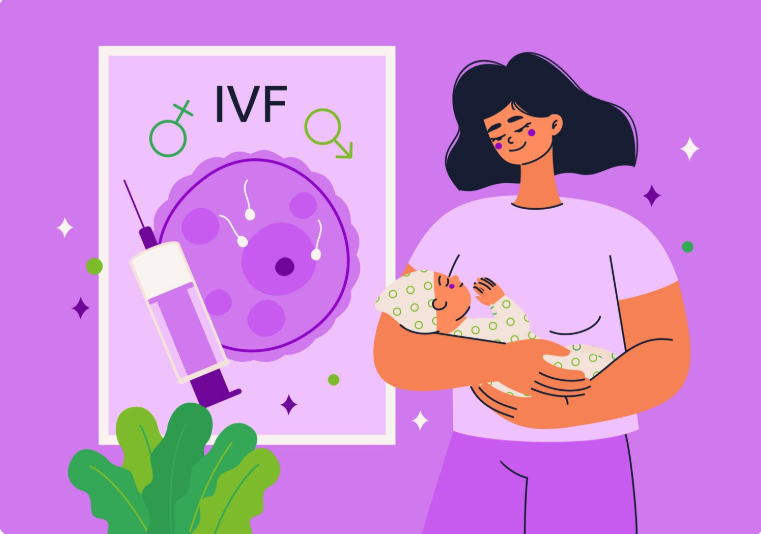
For many women, being diagnosed with endometriosis brings uncertainty, especially when fertility is a concern. If pregnancy does not happen naturally, assisted reproductive treatments such as in vitro fertilisation (IVF) are often considered. However, IVF with endometriosis is not a straightforward journey.
Endometriosis can affect fertility in several ways, influencing egg quality, ovarian reserve, and the ability of an embryo to implant. Understanding how endometriosis interacts with IVF—and what steps can improve outcomes—can help patients make informed, confident decisions before starting treatment.
How Endometriosis Affects Fertility and IVF Outcomes
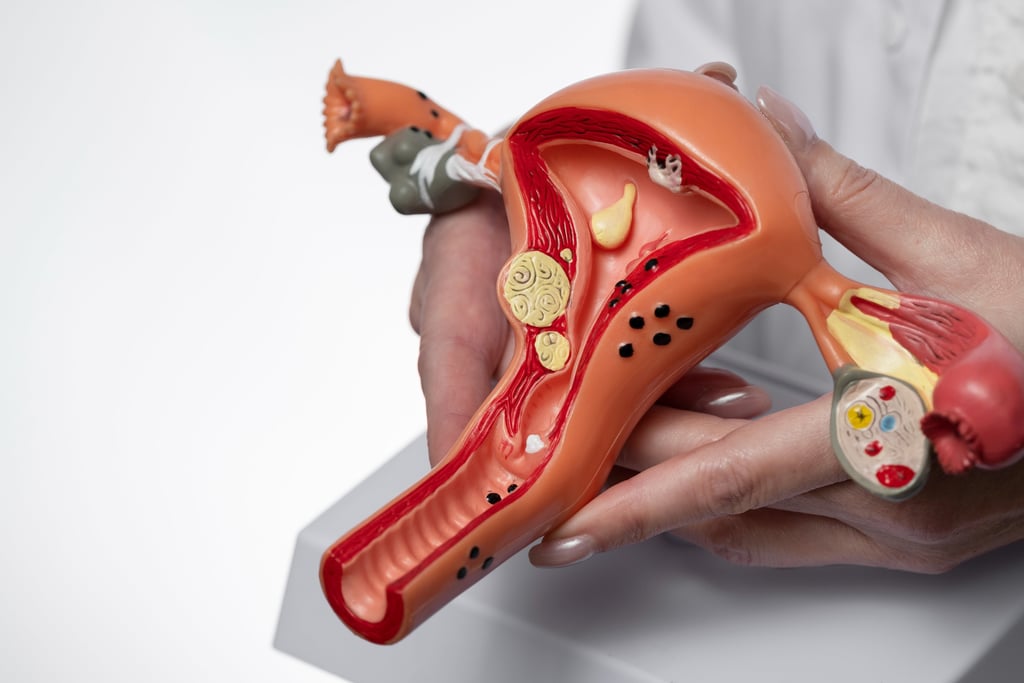
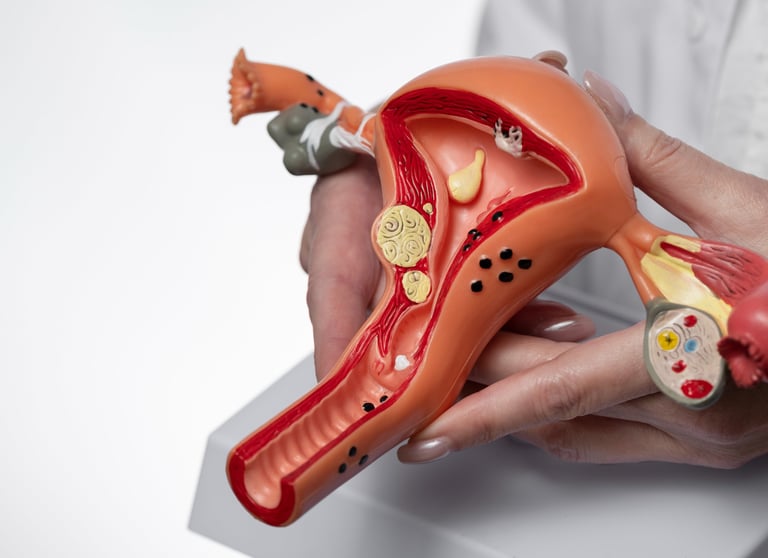
Endometriosis is a condition where tissue similar to the lining of the uterus grows outside the womb, commonly affecting the ovaries, pelvic ligaments, bowel, or bladder. These changes can interfere with fertility both directly and indirectly.
When considering IVF with endometriosis, several factors may come into play:
Egg quality and ovarian reserve: Inflammation caused by endometriosis can impact egg development, particularly if ovarian endometriomas are present.
Implantation challenges: Chronic inflammation may affect the uterine environment, making implantation more difficult.
Pelvic anatomy changes: Scarring or adhesions can disrupt normal pelvic structures, which may complicate egg retrieval or natural conception.
Hormonal imbalance: Endometriosis can alter hormonal signals involved in ovulation and implantation.
While IVF bypasses some barriers to conception, endometriosis-related inflammation and damage can still influence success rates if not properly addressed.
Take the Next Step
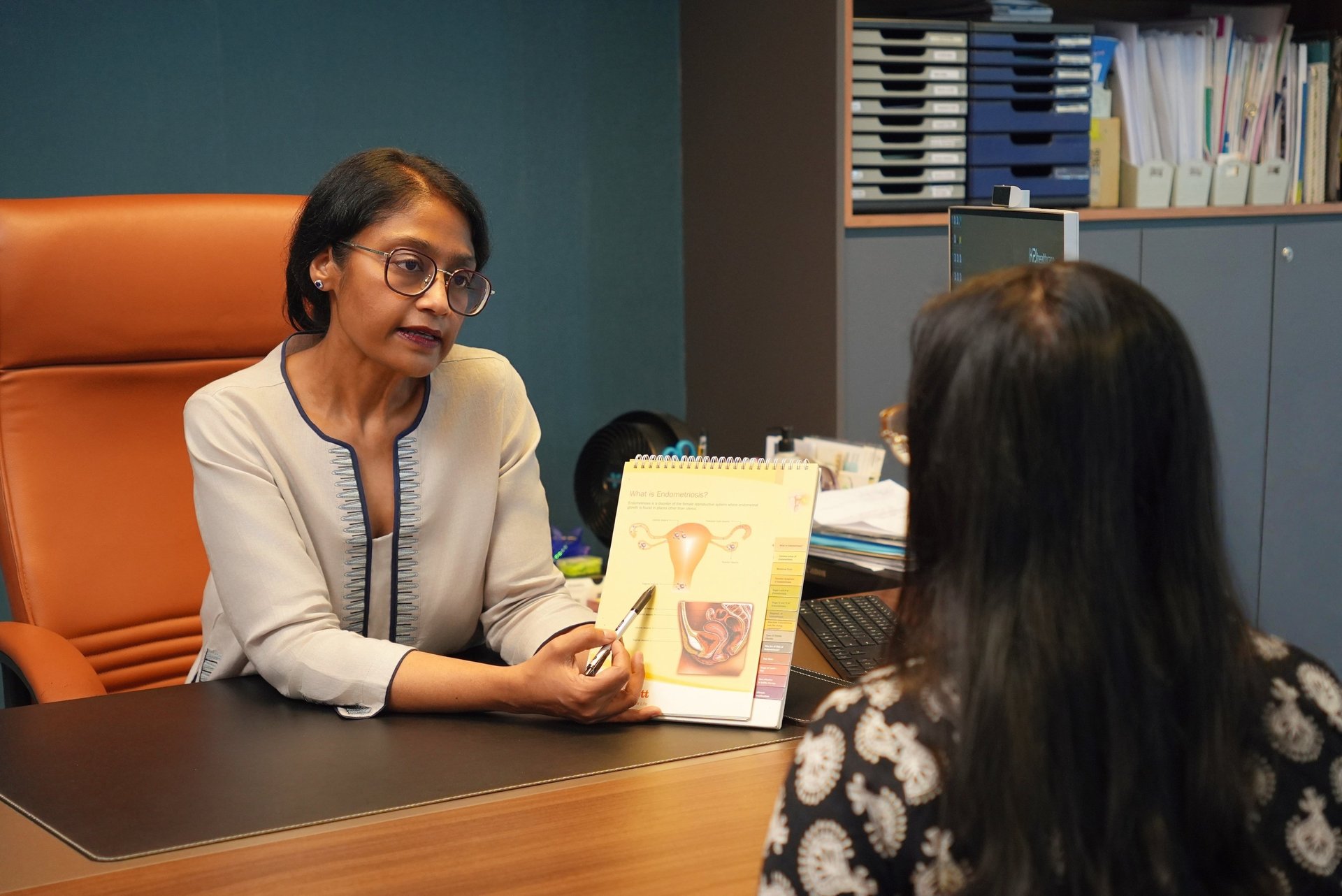
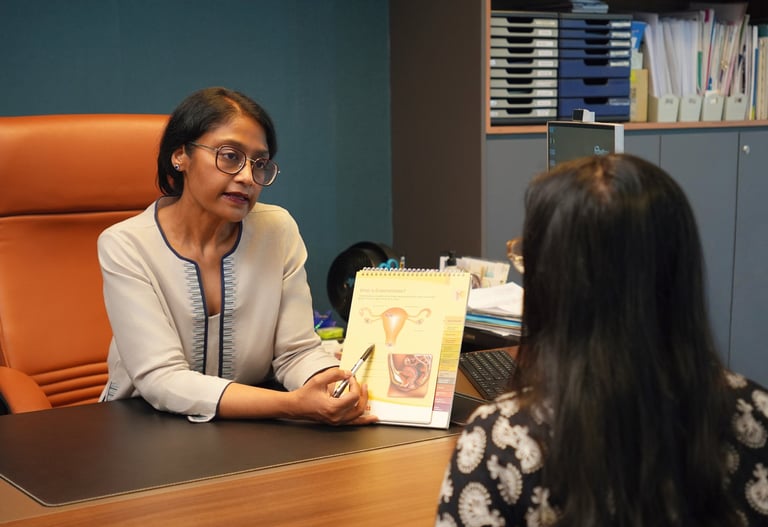
If you are living with endometriosis and considering IVF, consulting a gynaecologist or fertility specialist experienced in managing IVF with endometriosis can make a significant difference. Early, informed guidance helps maximise success while protecting long-term reproductive health.
You deserve clarity, evidence-based care, and a plan designed for you.
When to Seek Specialist Advice
Women with endometriosis should seek early specialist input if:
Pregnancy has not occurred after 6–12 months of trying
Period pain is severe or worsening
Imaging suggests ovarian or deep endometriosis
Previous fertility treatments have failed
There is concern about declining ovarian reserve
Early assessment allows time-sensitive decisions to be made thoughtfully rather than urgently.


Beyond the physical challenges, IVF with endometriosis can be emotionally demanding. Many women have lived with years of pain, delayed diagnosis, or unsuccessful treatments. IVF may bring hope—but also anxiety and pressure.
Psychological support, clear communication with the medical team, and realistic expectations are essential parts of care. Fertility treatment should address emotional well-being as much as medical outcomes.
Emotional Considerations: IVF and Endometriosis
Conclusion: Making Informed Decisions About IVF with Endometriosis
IVF with endometriosis requires careful planning, personalised treatment, and specialist expertise. While endometriosis can complicate fertility, many women successfully conceive with the right approach and support.
Understanding how the condition affects fertility, whether surgery is appropriate, and how to optimise IVF outcomes empowers patients to take control of their fertility journey.
Not necessarily. The decision to proceed with IVF with endometriosis depends on several individual factors, including:
Age and ovarian reserve (AMH levels)
Severity and location of endometriosis
Previous surgeries or treatments
Duration of infertility
Presence of pain or other symptoms
Male factor fertility considerations
In mild cases, natural conception or less invasive fertility treatments may still be possible. In moderate to severe cases, IVF is often recommended—but careful planning is essential.
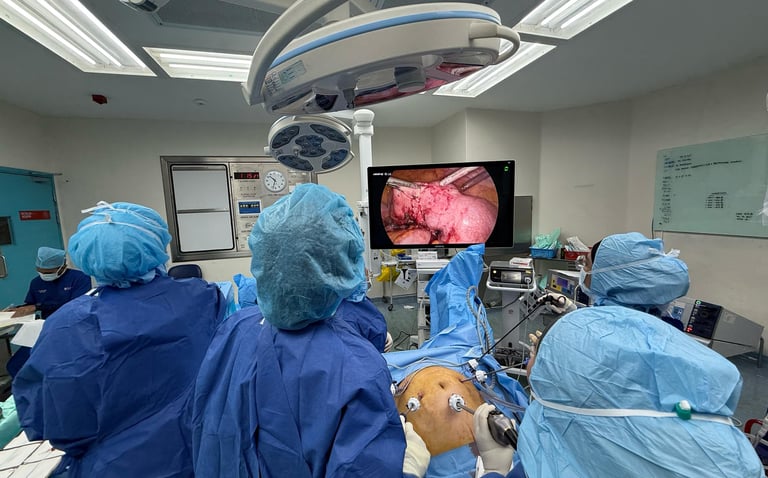
One of the most common questions surrounding IVF with endometriosis is whether surgery should be performed before starting treatment.
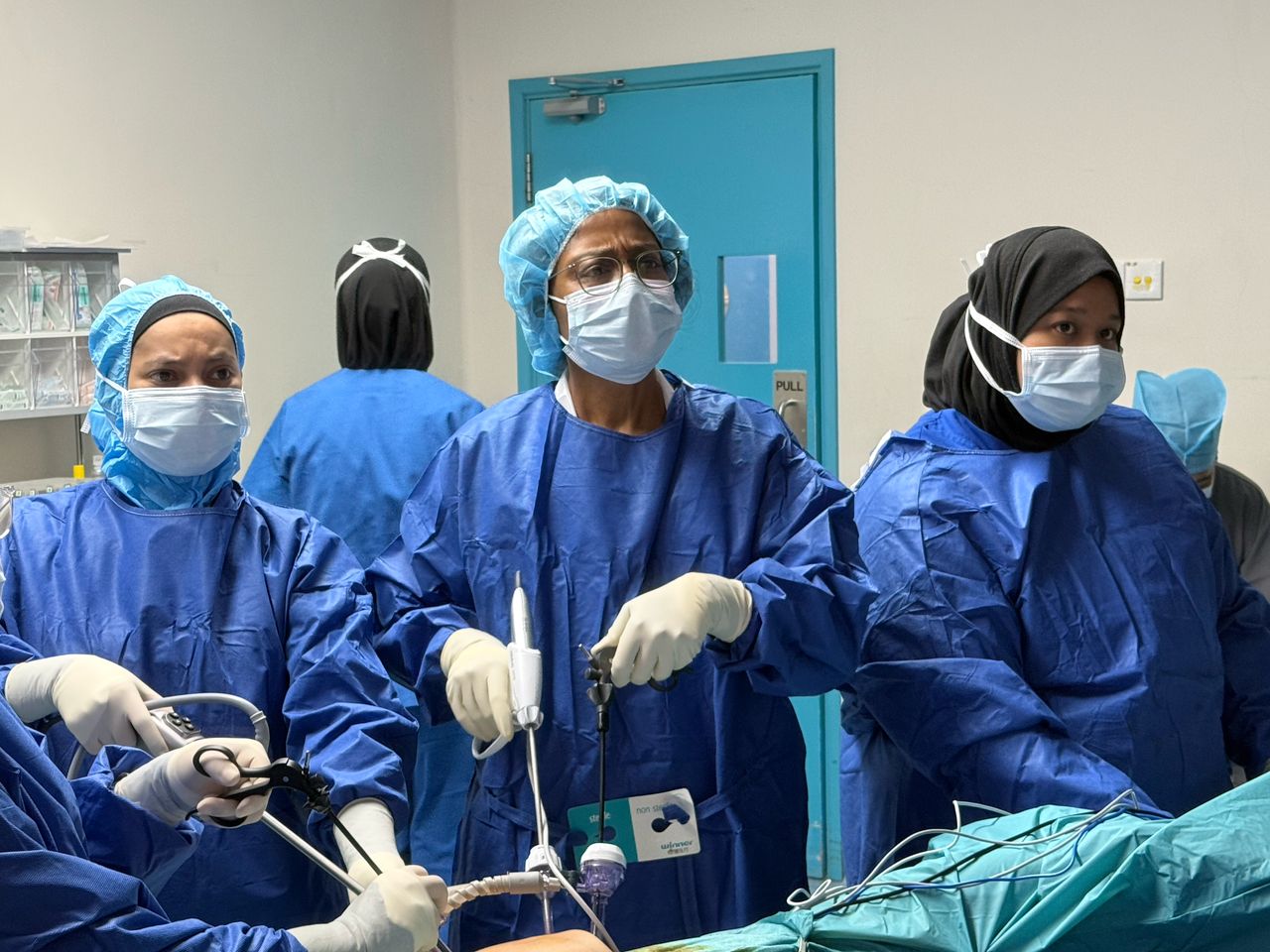
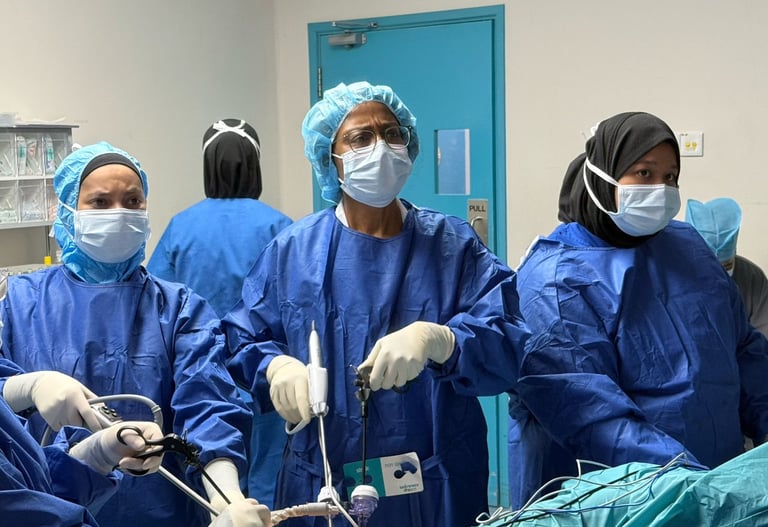
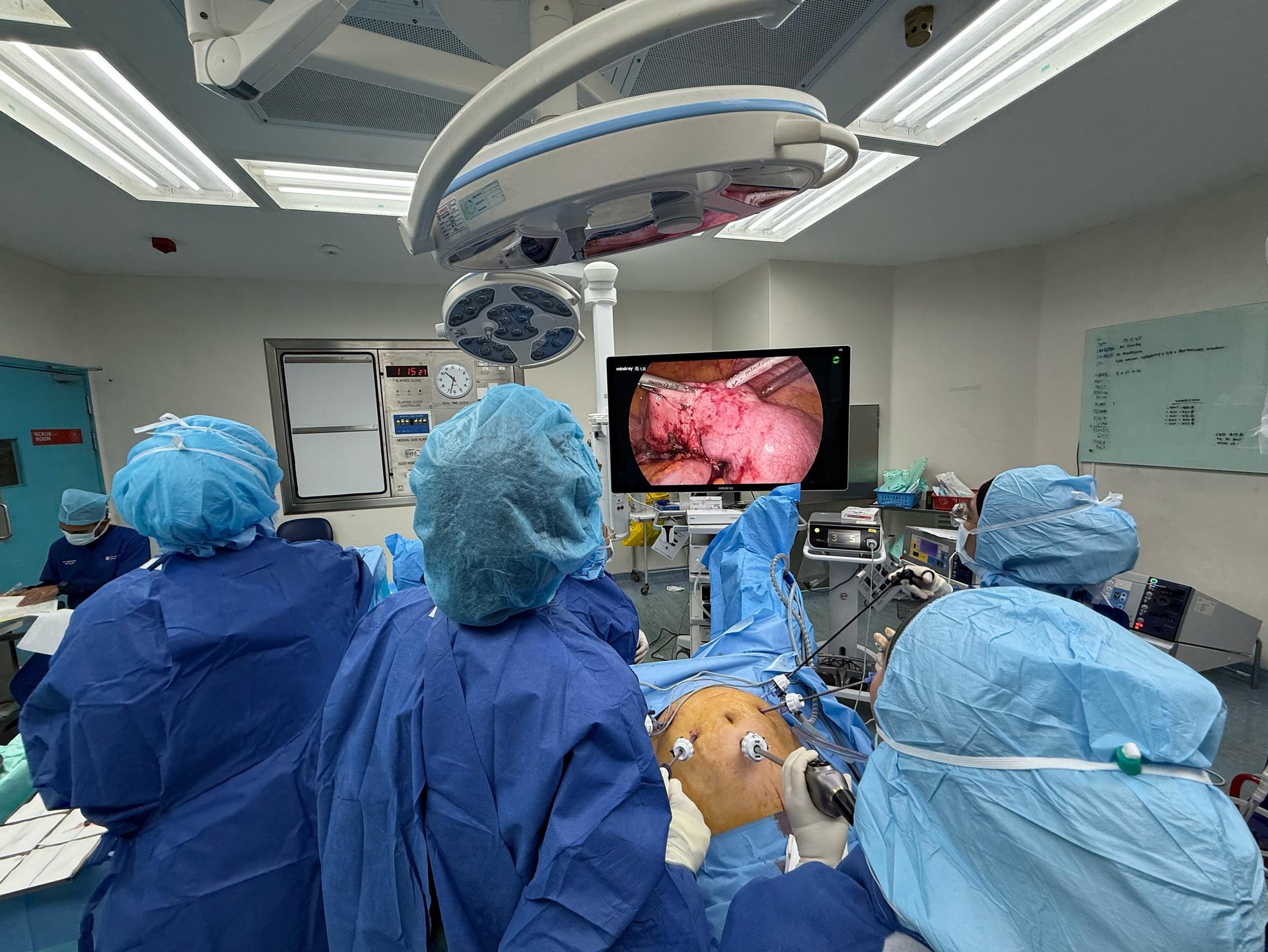
In selected cases, surgery to remove endometriosis (particularly excision surgery) may help by:
Improving access to the ovaries for egg retrieval
Reducing inflammation
Alleviating pain
Improving implantation potential
However, surgery is not suitable for everyone. In some women, repeated ovarian surgery may reduce ovarian reserve. The decision must be personalised and based on imaging results, symptoms, ovarian reserve, and fertility goals.
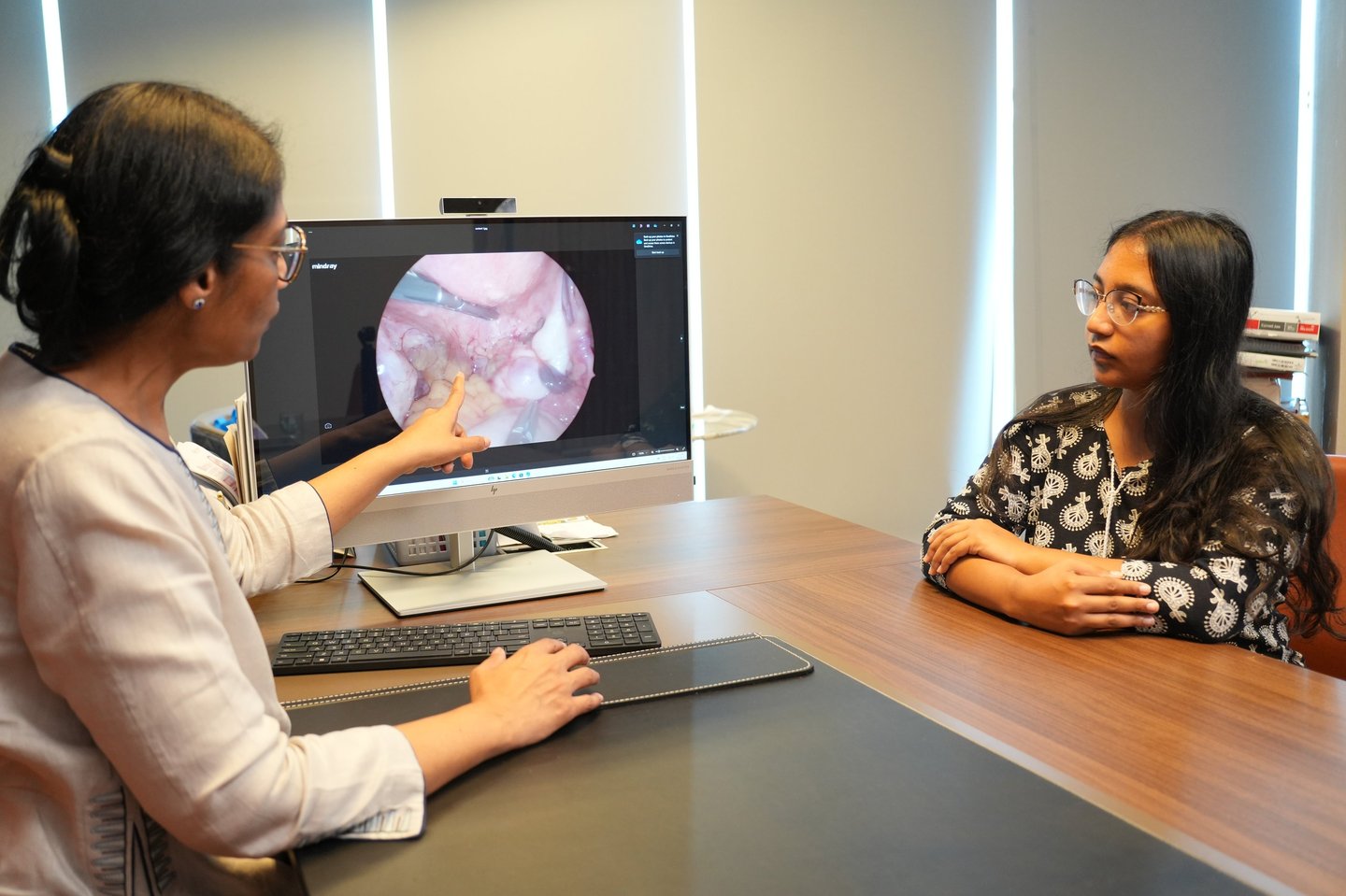
A multidisciplinary approach involving a gynaecologist experienced in endometriosis and a fertility specialist is often the safest and most effective way to decide.
For women preparing for IVF with endometriosis, a holistic approach can make a meaningful difference. Strategies may include:
1. Reducing Inflammation
Anti-inflammatory dietary approaches
Managing stress levels
Optimising sleep and physical activity
Medical therapies when appropriate
2. Individualised Fertility Planning
Tailored ovarian stimulation protocols
Careful monitoring of response during IVF cycles
Avoiding unnecessary delays, especially with declining egg reserve
3. Addressing Pain and Disease Activity
Considering medical suppression before IVF in selected cases
Treating active disease that may interfere with treatment outcomes
4. Choosing the Right Care Team
Working with specialists familiar with IVF with endometriosis ensures that treatment decisions are evidence-based and personalised rather than routine.
Is IVF Always the First Step for Women with Endometriosis?
Should Endometriosis Surgery Be Done Before IVF?
Practical Steps to Improve IVF Outcomes with Endometriosis
📞 Need Help?
To speak with a compassionate and experienced specialist, contact Dr. Smita, Consultant Gynaecologist at KPJ Selangor Specialist Hospital, Shah Alam.
💬 WhatsApp us at +60165833302 to book an appointment and get the personalised care you deserve.
Contact Us
Clinic: +60355433285
Whatsapp: +60165833302
Email: smitaobgyn@gmail.com


Why Us?
About Us
Services
Endometriosis
Robotic Surgery
Articles