


Living with Endometriosis: The Pain You Can't See
Living with endometriosis affects more than physical health. Learn how this condition impacts daily life, emotions, work, and why early care matters. Check this out.
Dr. Smita Sinha
1/15/20264 min read
Endometriosis is often described as a painful gynaecological condition, but for many women, the impact goes far beyond physical discomfort. Living with endometriosis can quietly affect every part of life, from career and relationships to mental health and self-confidence. Because much of this suffering is invisible, it is frequently misunderstood or minimised.
This article explores what it truly means to live with endometriosis, why it is often overlooked, and why recognising its full impact is essential for timely care and better quality of life.
What Is Endometriosis?
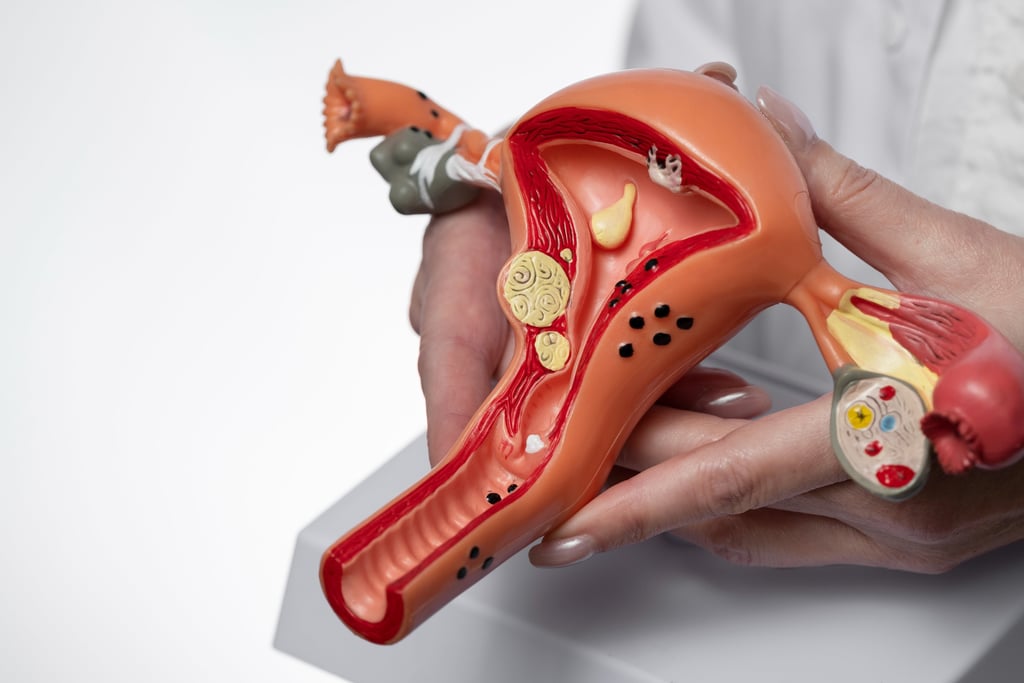
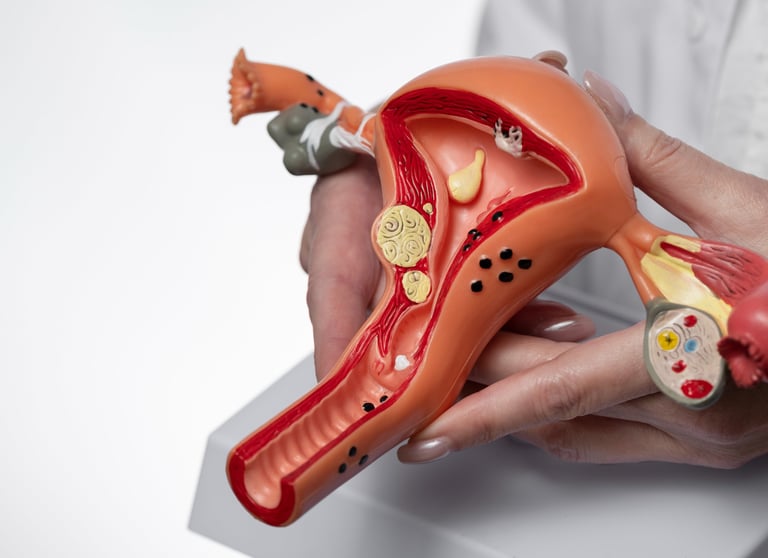
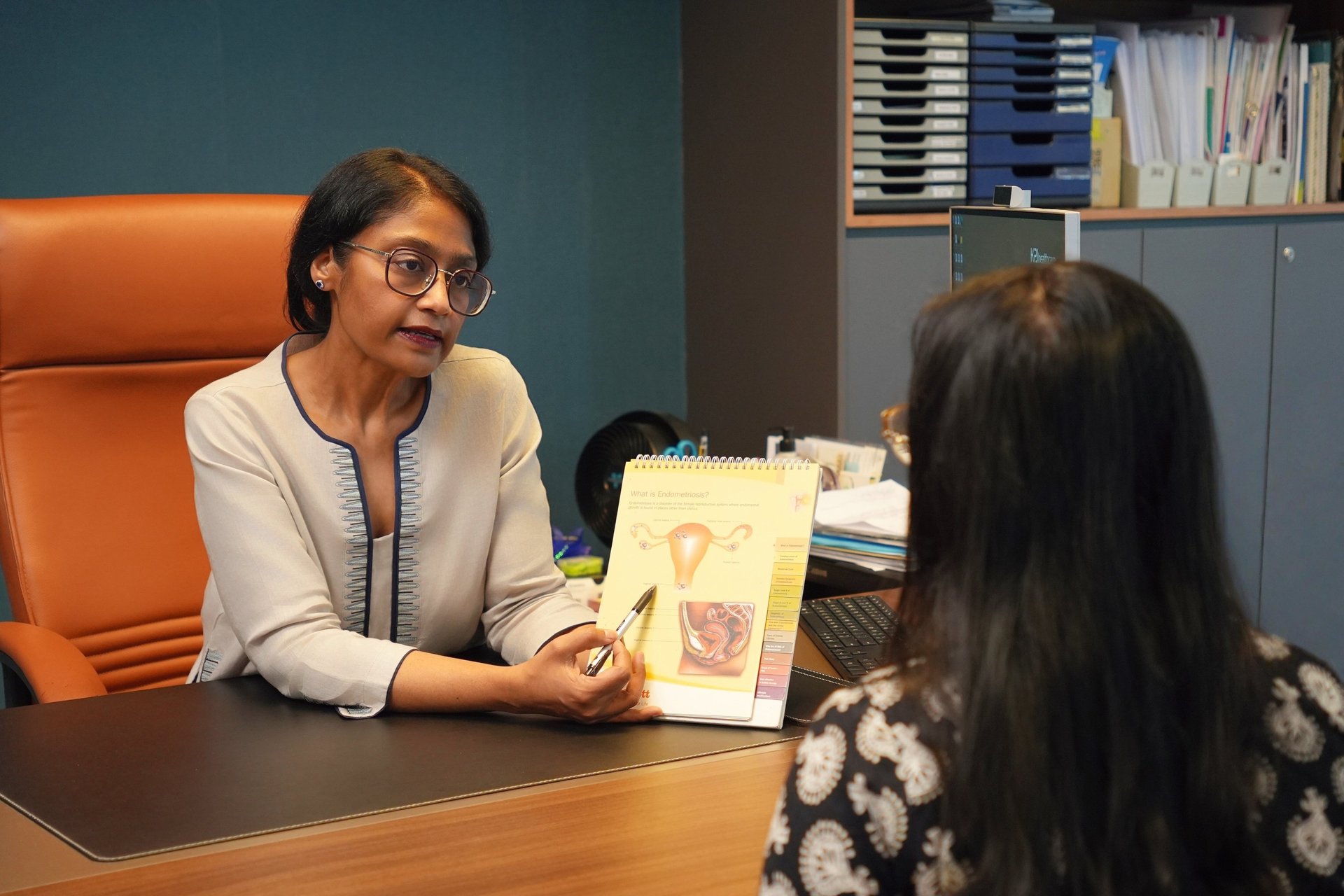
Endometriosis is a condition where tissue similar to the lining of the uterus grows outside the uterus. These growths can occur on the ovaries, pelvic ligaments, bowel, bladder, and other surrounding structures. During the menstrual cycle, this tissue responds to hormonal changes, leading to inflammation, irritation, and pain.
While period pain is a common symptom, endometriosis is not limited to menstruation. Many women experience chronic pelvic pain, fatigue, digestive issues, painful intercourse, or fertility challenges. For some, symptoms are severe and constant. For others, they are subtle and easy to dismiss.


What Women Can Do Next
If symptoms are affecting daily life, it is important not to ignore them. Persistent pelvic pain, fatigue, digestive symptoms linked to the menstrual cycle, or difficulty conceiving all warrant medical evaluation.
Tracking symptoms, noting how they change throughout the cycle, and seeking care from a gynaecologist familiar with endometriosis can help move the diagnostic process forward. Support groups and educational resources may also help women feel less alone in their journey.
For many, living with endometriosis becomes more manageable once the condition is recognised and properly addressed.


Even when pain is not severe, endometriosis can still progress. Ongoing inflammation can lead to scarring, adhesions, ovarian cysts, and fertility issues. Early recognition allows for better symptom control, fertility planning, and prevention of long-term complications.
Understanding the broader impact of endometriosis also helps shift the conversation. It encourages healthcare providers, employers, families, and society to recognise that this condition is not simply a “bad period,” but a complex disease that affects overall well-being.
Why Early Recognition Matters
Changing the Narrative Around Endometriosis
Endometriosis does not just affect physical health. It affects identity, confidence, and quality of life. Acknowledging this reality is the first step toward better care and greater empathy.
Women should not have to endure years of silent suffering. Pain that disrupts life is not normal, and it deserves attention.
If symptoms resonate with this experience, consulting a gynaecologist experienced in endometriosis can provide clarity, support, and a path forward. With the right care, women can regain control over their health and their lives.
One of the greatest challenges in living with endometriosis is the delay in diagnosis. Many women are told their symptoms are “just bad periods” or something they must learn to tolerate. This normalisation of pain can delay diagnosis by years.
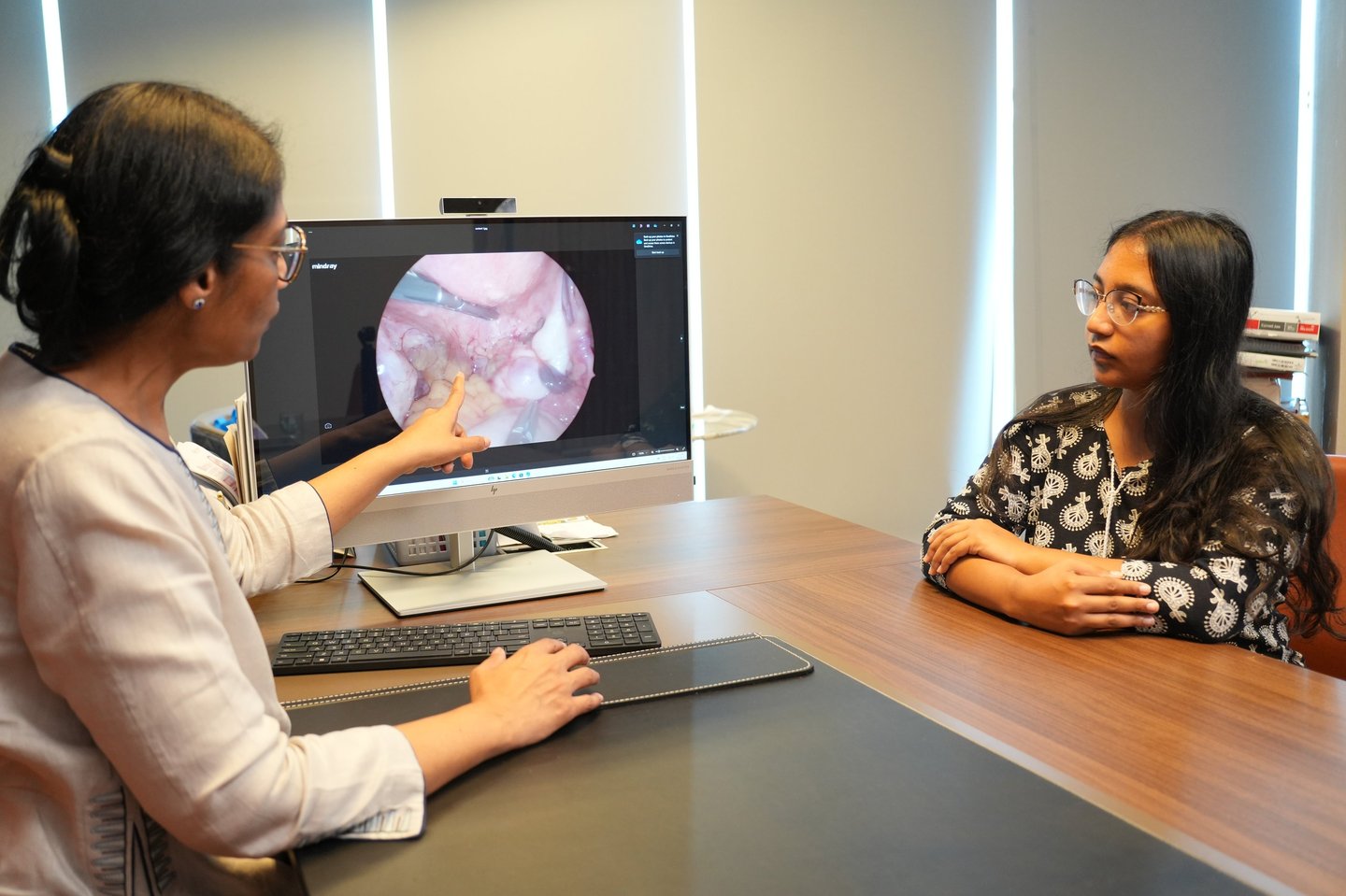
Endometriosis also presents differently from person to person. Some women have debilitating pain, while others experience fatigue, bloating, or mood changes without clear pelvic symptoms. Standard imaging tests may not always detect the disease, especially in early or deep forms, making diagnosis even more difficult.
As a result, many women spend years seeking answers while their symptoms quietly worsen.
Endometriosis does not only affect the body. It affects how women live, work, and see themselves.
Many women learn to function through pain. They go to work while exhausted, push through social commitments, and care for others while struggling internally. Over time, this constant effort can lead to burnout, frustration, and emotional distress.
Living with endometriosis often means adapting life around symptoms. Careers may be disrupted by frequent sick days or reduced productivity. Relationships can suffer when pain interferes with intimacy or social activities. Confidence may decline as women feel misunderstood or unheard.
Because the condition is largely invisible, the emotional toll is often underestimated.


A common experience among women with endometriosis is feeling that their pain is not taken seriously. This can lead to self-doubt and isolation.
Over time, many women stop talking about their symptoms because they feel they are complaining too much or being dramatic. Smiling through exhaustion becomes a coping mechanism. Explaining pain repeatedly becomes tiring.
Yet the emotional burden is real. Anxiety, low mood, and feelings of helplessness are common among those living with endometriosis, especially when answers are slow to come.


Why Endometriosis Is Often Missed
The Hidden Impact on Daily Life
The Emotional Weight of Being Unseen
📞 Need Help?
To speak with a compassionate and experienced specialist, contact Dr. Smita, Consultant Gynaecologist at KPJ Selangor Specialist Hospital, Shah Alam.
💬 WhatsApp us at +60165833302 to book an appointment and get the personalised care you deserve.


Contact Us
Clinic: +60355433285
Whatsapp: +60165833302
Email: smitaobgyn@gmail.com


Why Us?
About Us
Services
Endometriosis
Robotic Surgery
Articles