
PCOS Skin Signs Most Women Ignore: What Your Skin May Be Telling You
Learn about PCOS skin signs many women ignore, including acne, excess hair, and pigmentation changes. Understand causes, risks, and when to seek medical care.
Dr. Smita Sinha
3/26/20264 min read
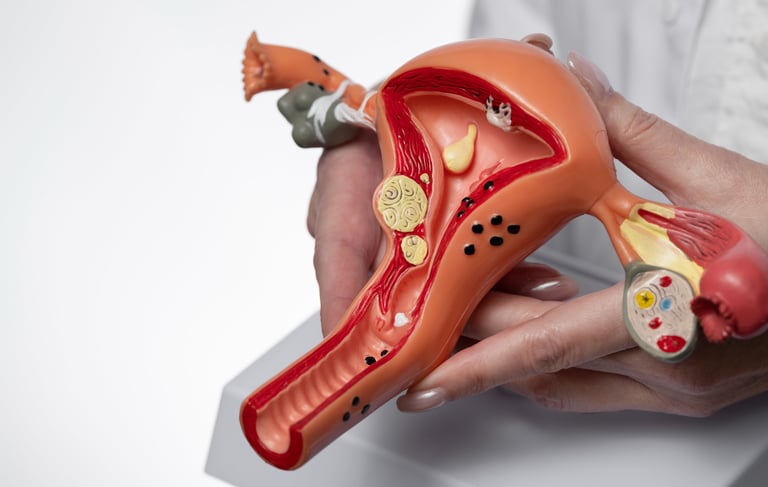
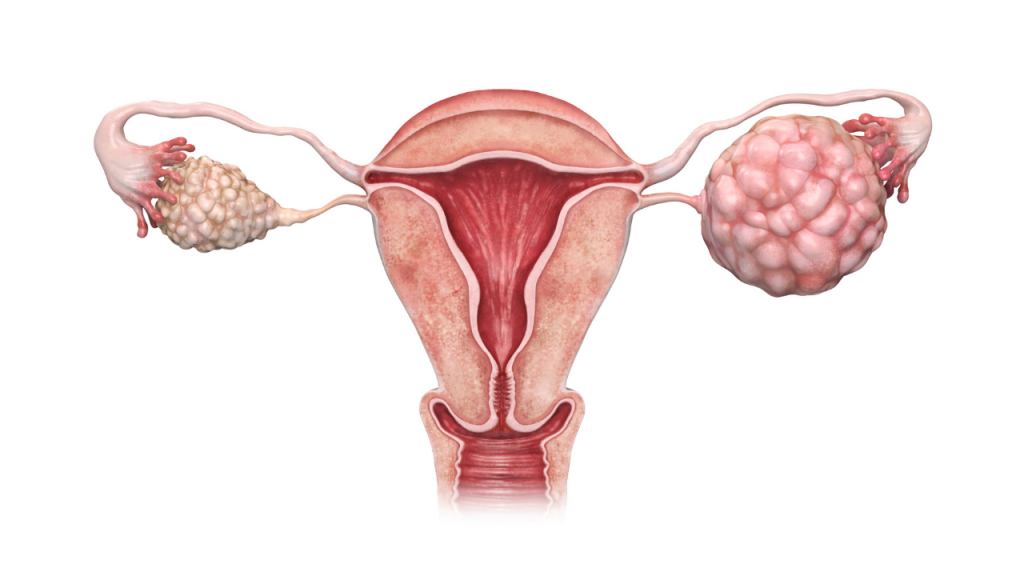
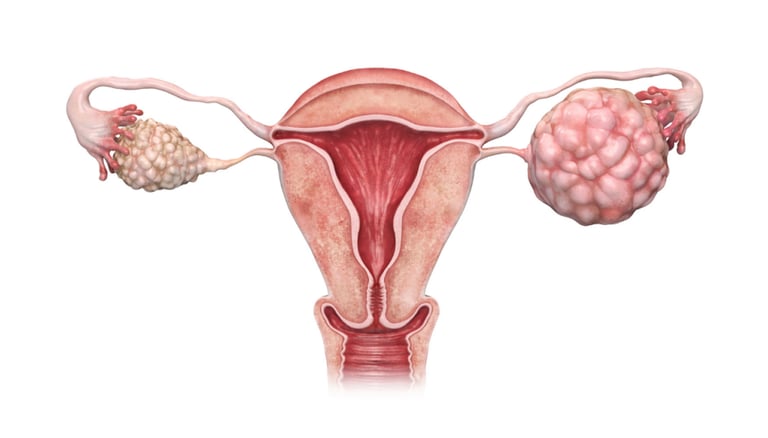
Polycystic Ovary Syndrome (PCOS) is a common hormonal condition affecting many women of reproductive age. While it is often associated with irregular periods and fertility concerns, one of the most overlooked aspects of the condition is how it shows up on the skin.
Many women spend months—or even years—treating persistent skin issues without realising that these could be early PCOS skin signs. Recognising these symptoms early can help address the root cause rather than just managing surface-level concerns.
Understanding PCOS and Its Impact on Skin
PCOS is characterised by hormonal imbalance, particularly elevated levels of androgens (often referred to as “male hormones”). These hormonal changes can affect the skin, hair, and overall metabolism.
When PCOS skin signs are ignored, the underlying hormonal imbalance may continue to progress silently. Treating acne or pigmentation alone may provide temporary relief, but it often does not address the core issue.
Dermatologists and gynaecologists frequently observe that skin-related symptoms are among the earliest warning signs of PCOS. Recognising them can lead to earlier diagnosis and more effective management.

Why These Signs Are Often Ignored
Many women normalise these symptoms or treat them in isolation. Acne is attributed to skincare, hair growth to genetics, and pigmentation to sun exposure.
However, when multiple PCOS skin signs appear together, they often point to a deeper hormonal imbalance. Without proper evaluation, the condition may remain undiagnosed, increasing the risk of long-term complications such as insulin resistance, weight gain, and fertility challenges.
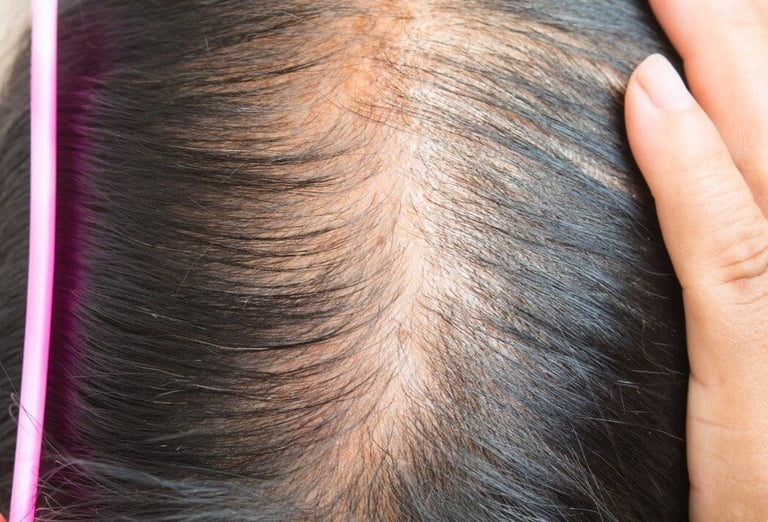
Hair thinning, especially at the crown or along the part line, is another frequently overlooked symptom.
This type of hair loss may be mistaken for stress-related shedding or nutritional deficiency. However, in the context of other PCOS skin signs, it may indicate androgen-related hair changes.
4. Scalp Hair Thinning
When Should You Seek Medical Advice?
It is important to consult a healthcare professional if:
Acne keeps recurring despite treatment
Hair growth feels excessive or unusual
Dark patches of skin appear without a clear reason
Hair thinning becomes noticeable
A comprehensive evaluation typically involves a combination of medical history, physical examination, blood tests, and sometimes imaging studies. This helps connect the dots between skin symptoms and hormonal health.
One of the most common PCOS skin signs is persistent hormonal acne. Unlike typical teenage acne, this type often appears:
Along the jawline, chin, and neck
As deep, painful, or cystic breakouts
In cycles, often worsening before menstruation
This acne tends to be stubborn and may not respond well to standard over-the-counter treatments. Many women report that their acne never fully clears despite trying multiple skincare routines.
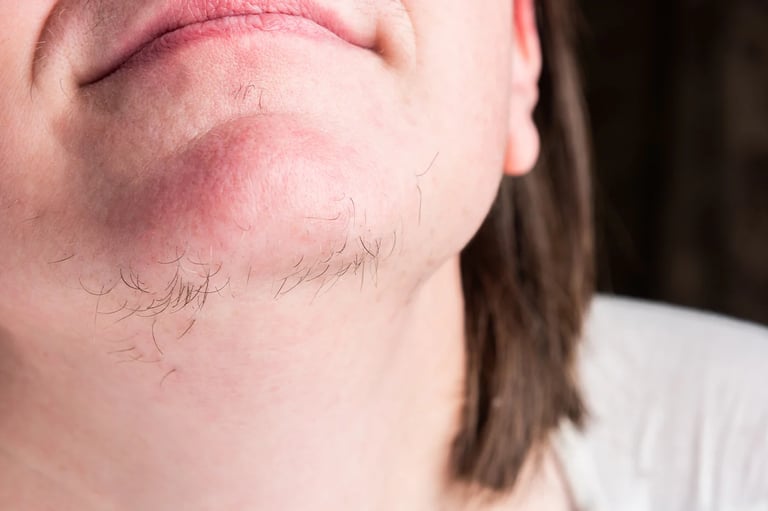
Another key PCOS skin sign is increased hair growth in areas where women typically have minimal hair. This may include:
Face (upper lip, chin, sideburns)
Chest
Abdomen
This occurs due to elevated androgen levels. While it may be dismissed as a cosmetic concern or genetic trait, it is actually a sign of underlying hormonal imbalance.
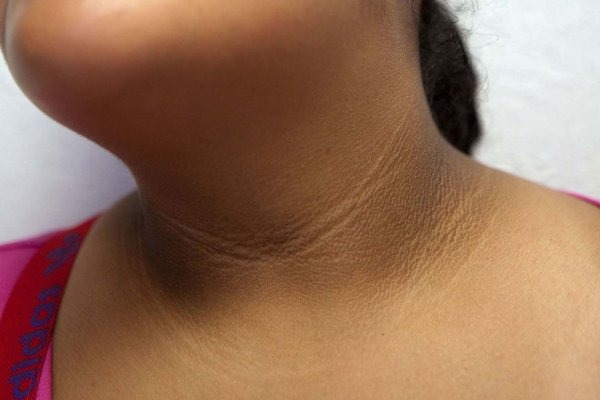
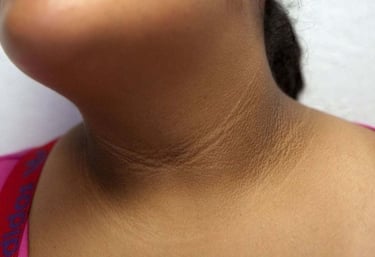
Darkened patches of skin, particularly in body folds, can also indicate PCOS. These are often seen:
Around the neck
Under the arms
In the groin area
This condition, known medically as acanthosis nigricans, is strongly associated with insulin resistance—a common feature of PCOS. Among all PCOS skin signs, this one is particularly important as it may signal metabolic risk.
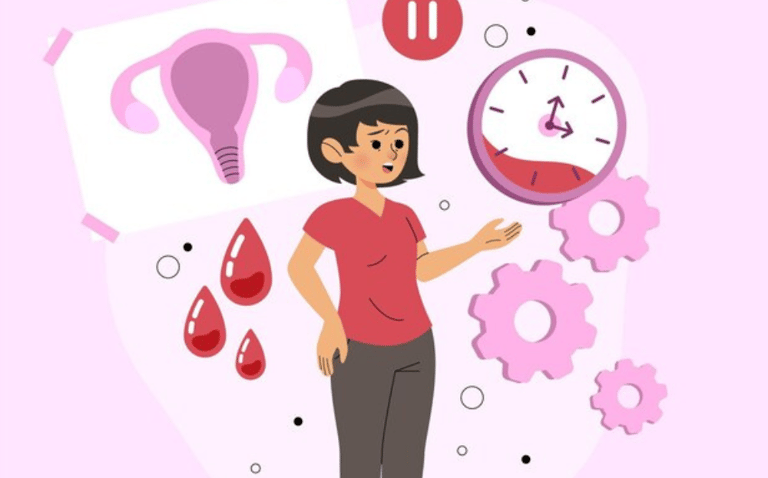
4 Common PCOS Skin Signs to Watch For
1. Hormonal Acne
2. Excess Hair Growth (Hirsutism)
3. Pigmentation Changes
📞 Need Help?
To speak with a compassionate and experienced specialist, contact Dr. Smita, Consultant Gynaecologist at KPJ Selangor Specialist Hospital, Shah Alam.
💬 WhatsApp us at +60165833302 to book an appointment and get the personalised care you deserve.


Conclusion
The skin often reflects what is happening inside the body. Persistent acne, unusual hair growth, pigmentation changes, and hair thinning are not always just cosmetic concerns—they can be important PCOS skin signs.
Recognising these early can make a significant difference in managing the condition effectively and preventing complications.
If these symptoms sound familiar, it is advisable to consult both a dermatologist and a gynaecologist. A coordinated approach ensures that both the visible symptoms and the underlying hormonal imbalance are addressed—leading to better long-term health outcomes.
Practical Steps to Manage PCOS Skin Signs
While medical treatment is essential, certain lifestyle and skincare approaches can help manage PCOS skin signs effectively:
1. Address the Root Cause
Treatment may include hormonal therapy, insulin-sensitising medications, or other targeted interventions based on individual needs.
2. Maintain a Balanced Diet
A diet rich in whole grains, lean proteins, healthy fats, and fibre can support hormonal balance and improve insulin sensitivity.
3. Stay Physically Active
Regular exercise can help regulate hormones and reduce insulin resistance, which may improve skin symptoms over time.
4. Follow a Consistent Skincare Routine
Using non-comedogenic products and dermatologist-recommended treatments can help manage acne, but should be combined with medical care.
5. Avoid Self-Diagnosis
Since PCOS skin signs can overlap with other conditions, professional evaluation is key to accurate diagnosis and treatment.


Contact Us
Clinic: +60355433285
Whatsapp: +60165833302
Email: smitaobgyn@gmail.com


Why Us?
About Us
Services
Endometriosis
Robotic Surgery
Articles