


Endometriosis in teenagers? Why Teen Period Pain Shouldn’t Be Ignored
Endometriosis in teenagers is often missed. Learn the warning signs, why early diagnosis matters, and how timely care can protect future fertility and wellbeing.
Dr. Smita Sinha
1/2/20264 min read
Severe period pain is often dismissed as a normal part of growing up. Many teenagers are told to “tough it out,” take painkillers, or wait until they are older before seeking medical advice. However, for some young girls, painful periods are not normal at all. They may be an early sign of endometriosis in teenagers, a condition that can begin as soon as menstruation starts.
Endometriosis is commonly associated with women in their 20s and 30s, but research shows that it can affect adolescents too. Unfortunately, delayed recognition means many teenagers suffer in silence for years—often until symptoms worsen or fertility becomes a concern later in life.
Understanding endometriosis in teenagers is the first step toward early diagnosis, effective treatment, and better long-term health outcomes.
What Is Endometriosis?
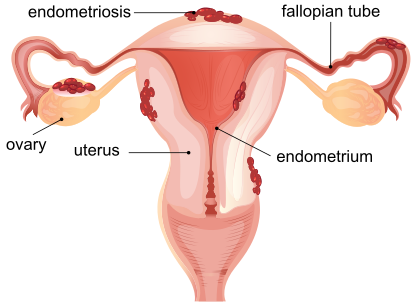
Endometriosis is a condition where tissue similar to the lining of the uterus grows outside the uterus. These tissue deposits can cause inflammation, scarring, and pain—especially during menstruation.
While endometriosis is often diagnosed in adulthood, symptoms frequently begin much earlier. In many cases, endometriosis in teenagers goes unrecognised because period pain is wrongly considered “normal” during adolescence.
When to Seek Help
If period pain is affecting school attendance, sports, or daily activities, it should not be ignored. Endometriosis in teenagers is real, under-recognised, and treatable. Early assessment allows timely care, reduces long-term complications, and improves quality of life.
Parents, teachers, and teens are encouraged to seek medical advice early—listening to the body and acting on symptoms can make a lasting difference.


How Endometriosis in Teenagers Is Diagnosed
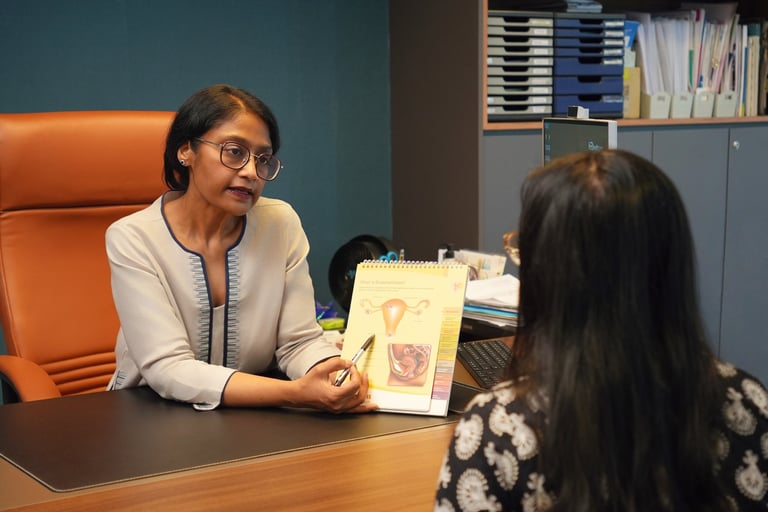
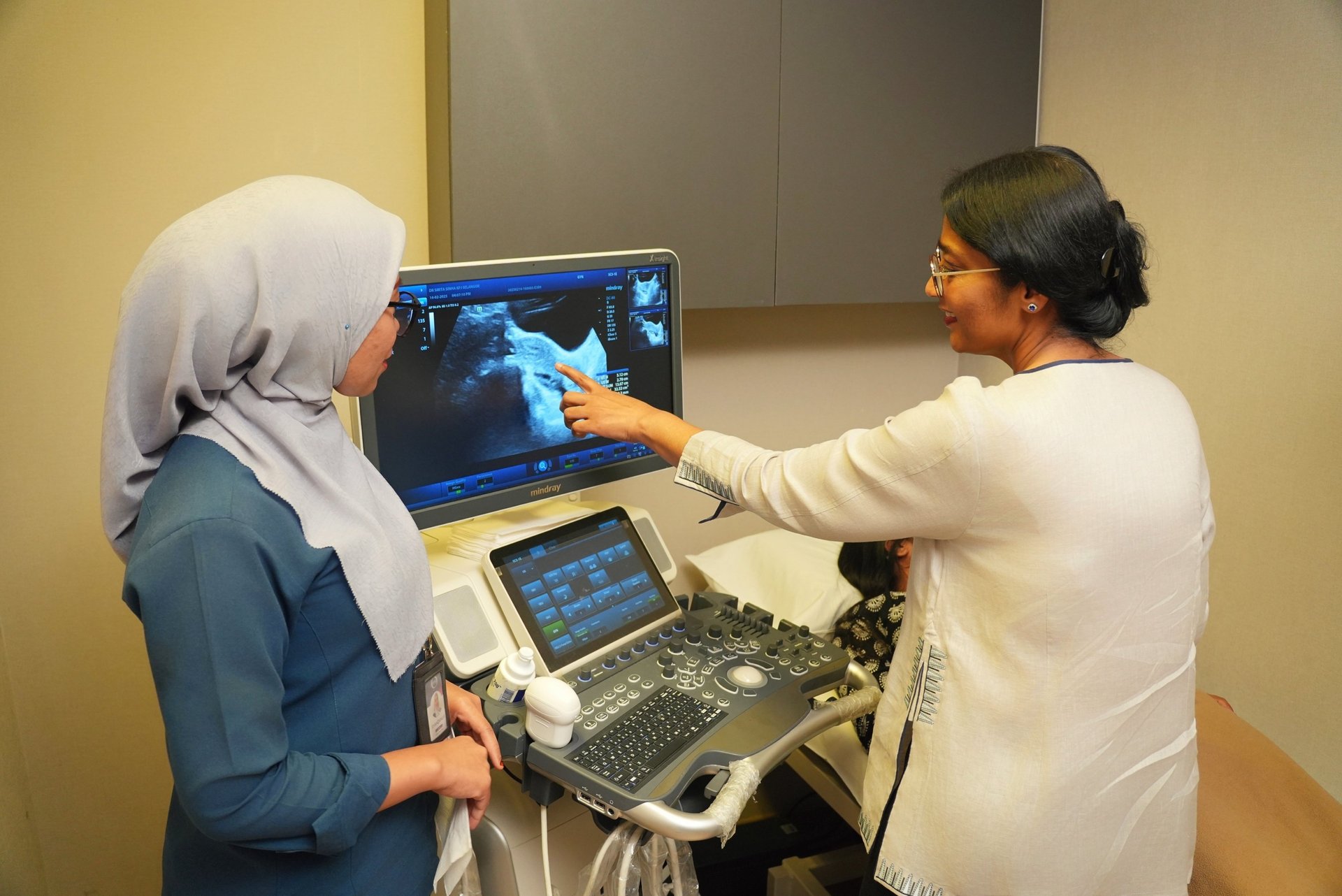
Diagnosis starts with listening carefully to symptoms. A detailed menstrual history is often the most important clue.
Depending on the case, evaluation may include:
Clinical assessment by a gynaecologist
Pelvic ultrasound
MRI in selected cases
Response to medical treatment
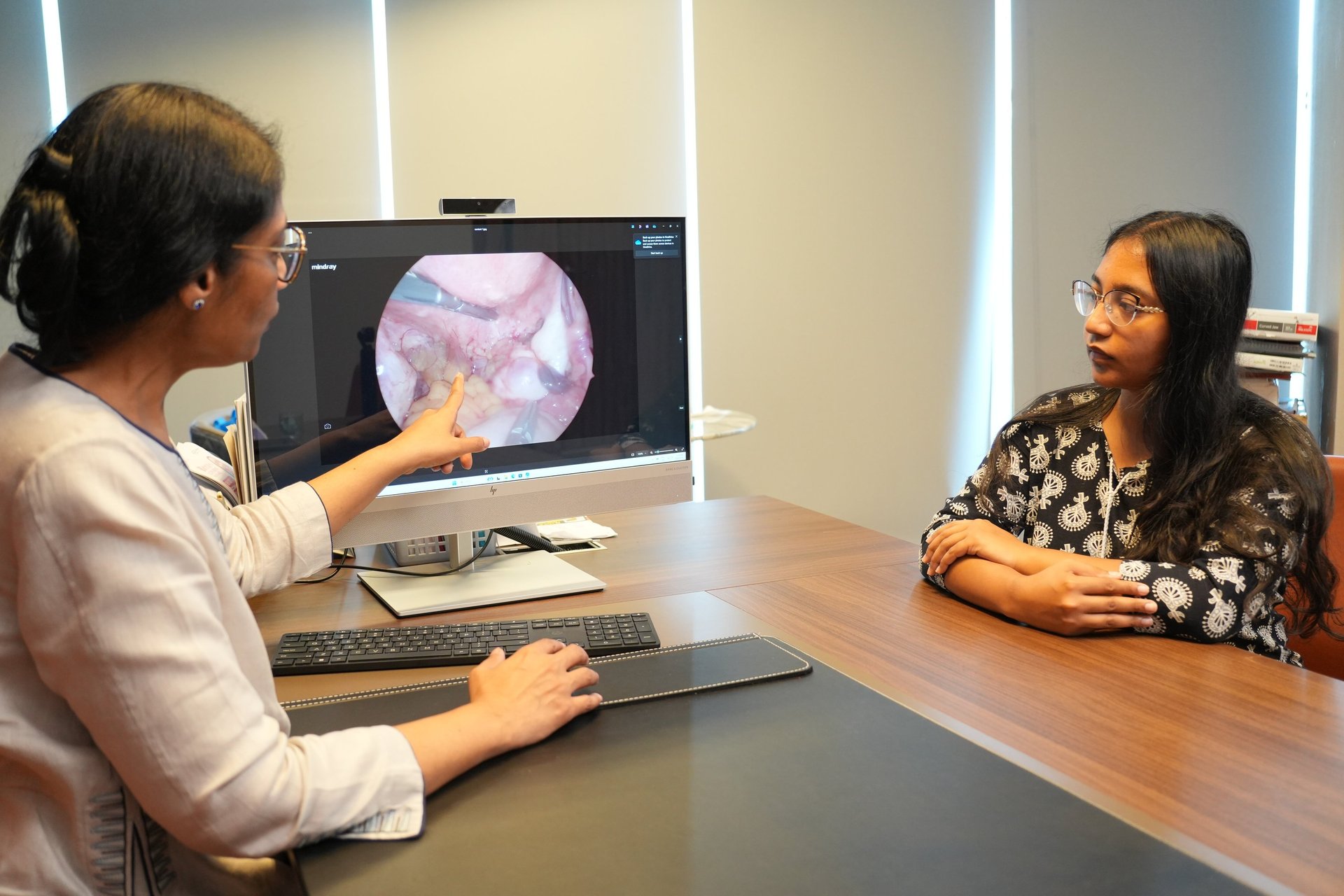
Laparoscopy remains the gold standard for diagnosis, but it is not always the first step—especially in teenagers.
Early diagnosis of endometriosis in teenagers is crucial. Left untreated, endometriosis can progress and lead to long-term complications.
✅ Benefits of Early Identification
Better pain control
Reduced inflammation and scarring
Protection of ovarian function
Lower risk of fertility issues later in life
Improved mental health and quality of life
Early treatment does not always mean surgery. In many cases, symptom tracking, hormonal therapy, and lifestyle support can significantly improve outcomes.
Why Early Diagnosis Matters
Treatment Options for Teenagers
Management of endometriosis in teenagers is individualised and focuses on controlling symptoms while protecting long-term health. Treatment may include hormonal therapy, pain management strategies, lifestyle support such as stress reduction and gentle physical activity, and regular monitoring.
The aim is not only to ease pain now, but also to safeguard future fertility and overall well-being.
Yes. Endometriosis in teenagers is real and more common than many people realise. Studies have shown that a significant number of adolescents with severe period pain later receive a diagnosis of endometriosis.
The condition does not wait until adulthood. It can begin shortly after the first menstrual period and gradually progress if left untreated. The earlier symptoms appear, the more important early evaluation becomes.

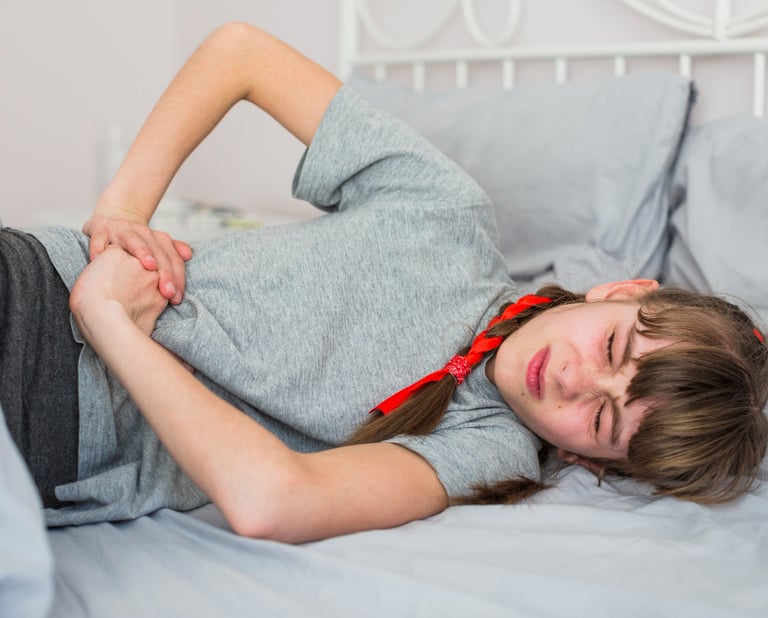
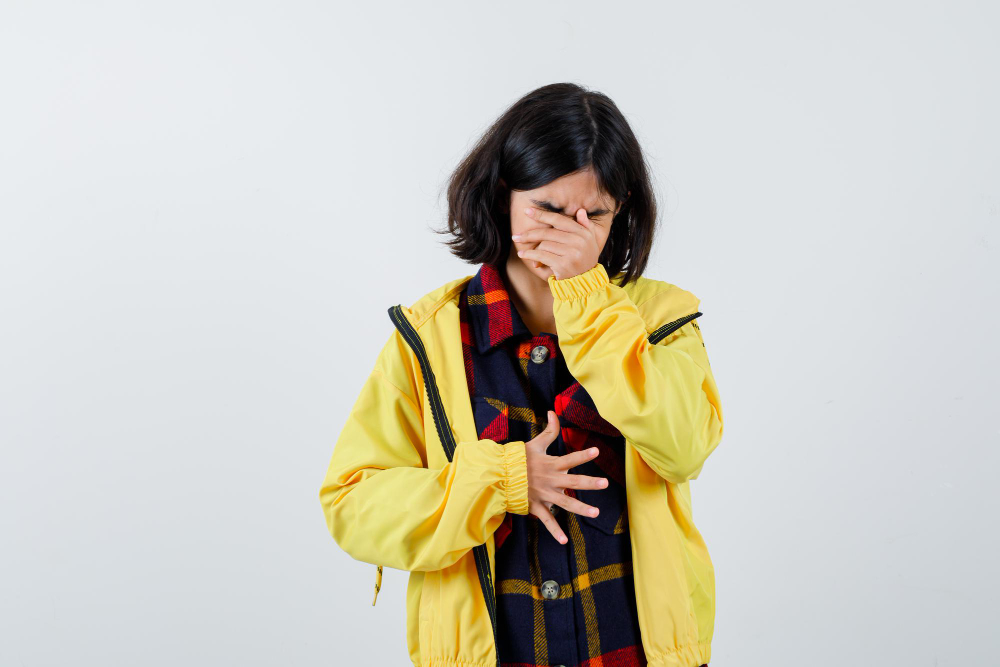
Not all period pain is the same. While mild cramps can be normal, the following symptoms may signal endometriosis in teenagers and should not be ignored:
🚩 Red Flags to Watch For
Period pain so severe it causes missed school or activities
Pain that keeps a teen in bed every month
Nausea or vomiting during periods
Pain during bowel movements or urination, especially during menstruation
Pelvic pain during sports or physical activity
Pain that does not improve with regular painkillers
Fatigue that affects daily functioning
If these symptoms occur regularly, they are not “just part of growing up.”
There are several reasons why endometriosis in teenagers is frequently underdiagnosed:
1. Normalisation of Pain
Teen girls are often told that painful periods are expected. This cultural mindset delays medical evaluation.
2. Lack of Awareness
Many parents, teachers, and even healthcare providers may not associate severe adolescent pain with endometriosis.
3. Symptoms Can Look Different
Teenagers may not present with classic symptoms seen in adults, making diagnosis more challenging.
4. Imaging Limitations
Ultrasound scans can appear normal in early disease, leading to false reassurance.
Can Teenagers Really Get Endometriosis?
Common Warning Signs of Endometriosis in Teenagers
Why Endometriosis in Teenagers Is Often Missed
📞 Need Help?
To speak with a compassionate and experienced specialist, contact Dr. Smita, Consultant Gynaecologist at KPJ Selangor Specialist Hospital, Shah Alam.
💬 WhatsApp us at +60165833302 to book an appointment and get the personalised care you deserve.
Contact Us
Clinic: +60355433285
Whatsapp: +60165833302
Email: smitaobgyn@gmail.com


Why Us?
About Us
Services
Endometriosis
Robotic Surgery
Articles