


Why Endometriosis Is Misdiagnosed — and How to Spot It
Learn why endometriosis is misdiagnosed so often, what are the symptoms to look for, and how early diagnosis can help women find answers, relief, and lasting care.
Dr. Smita Sinha
11/28/20254 min read
For millions of women worldwide, endometriosis remains one of the most misunderstood and under-diagnosed conditions in women’s health. Despite being common, it often takes 7 to 10 years from the first symptom to receiving a proper diagnosis. The question is — why is endometriosis so often misdiagnosed?
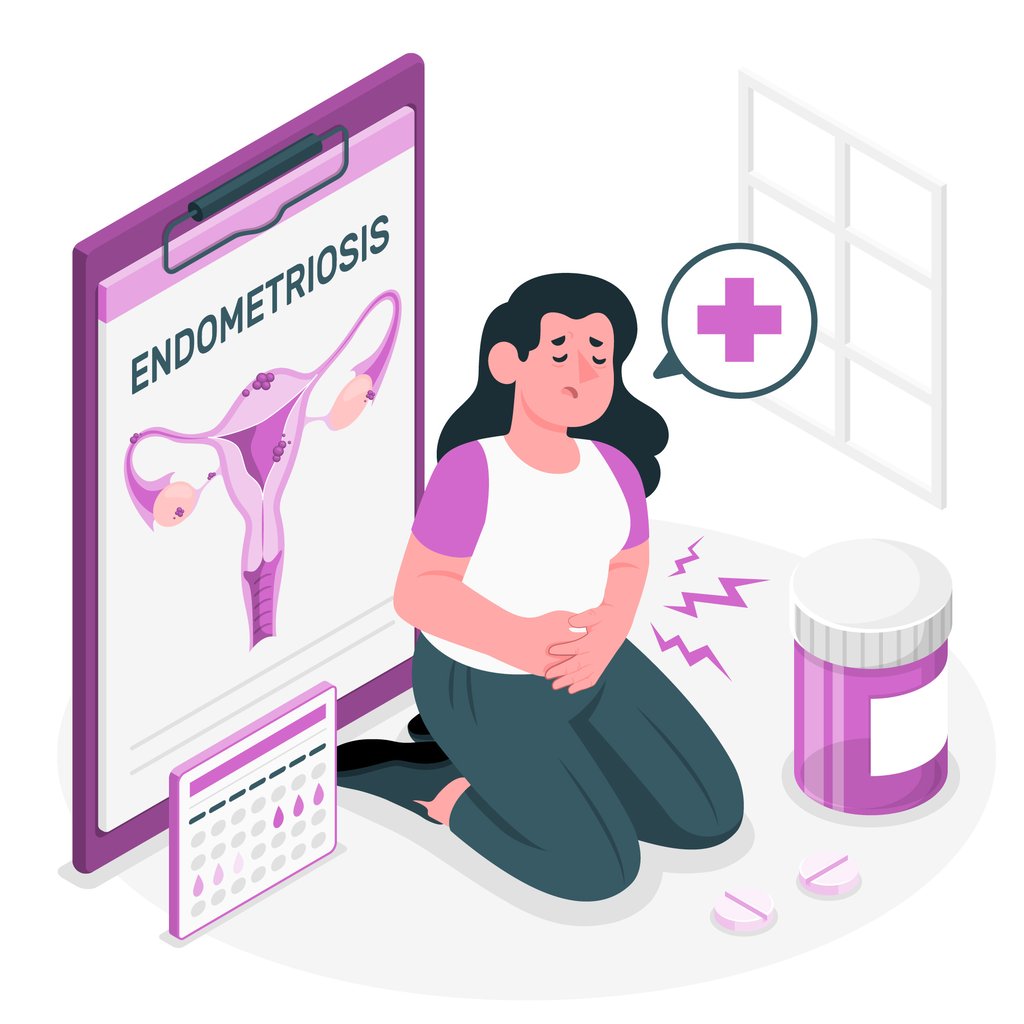
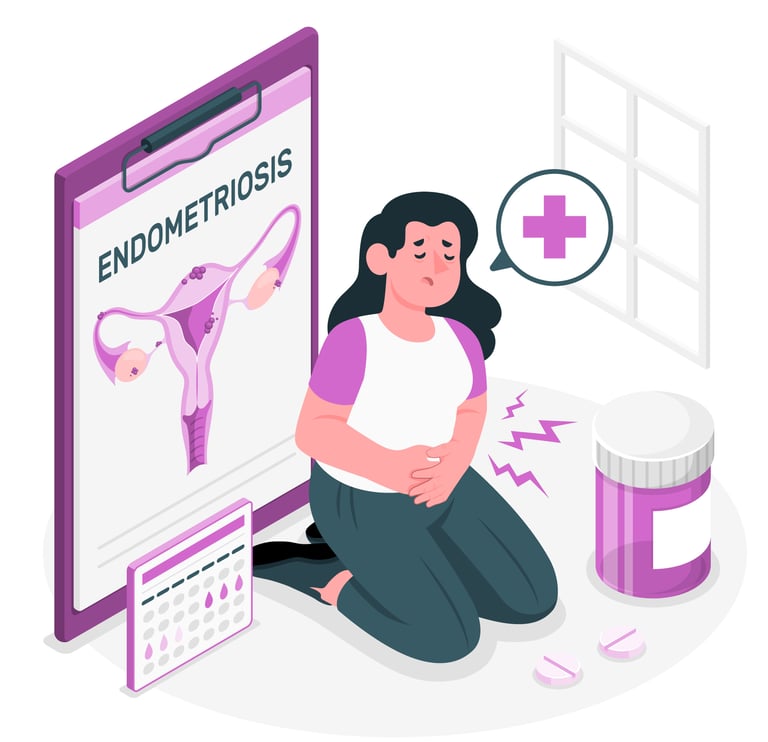
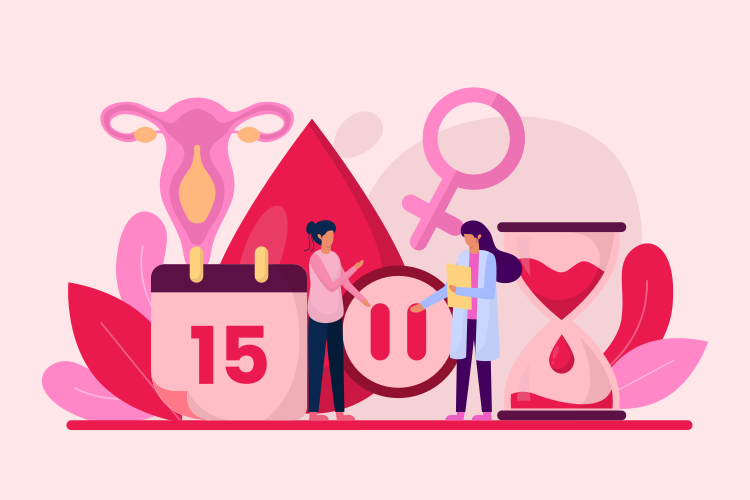
Endometriosis is a chronic inflammatory condition where tissue similar to the uterine lining grows outside the uterus. It can cause severe pain, heavy bleeding, fatigue, bloating, and even infertility. But because its symptoms mimic many other disorders, countless women are left without answers, enduring years of pain before someone finally listens.
Why Endometriosis Is Misdiagnosed
1. Symptoms Vary Greatly Between Individuals
No two patients experience endometriosis in the same way. Some have debilitating cramps and pelvic pain, while others struggle with bowel issues, chronic fatigue, or infertility. Because the symptoms are so broad — ranging from period pain to back pain, bladder or bowel problems, and even nerve pain — it’s easy for healthcare providers to mistake it for other conditions.
This wide variation in presentation is one of the main reasons why endometriosis is misdiagnosed so frequently.
📞 Need Help?
To speak with a compassionate and experienced specialist, contact Dr. Smita, Consultant Gynaecologist at KPJ Selangor Specialist Hospital, Shah Alam.
💬 WhatsApp us at +60165833302 to book an appointment and get the personalised care you deserve.

Getting a Proper Diagnosis
Diagnosing endometriosis often requires a combination of:
Detailed symptom review and history
Pelvic ultrasound or MRI by an experienced specialist
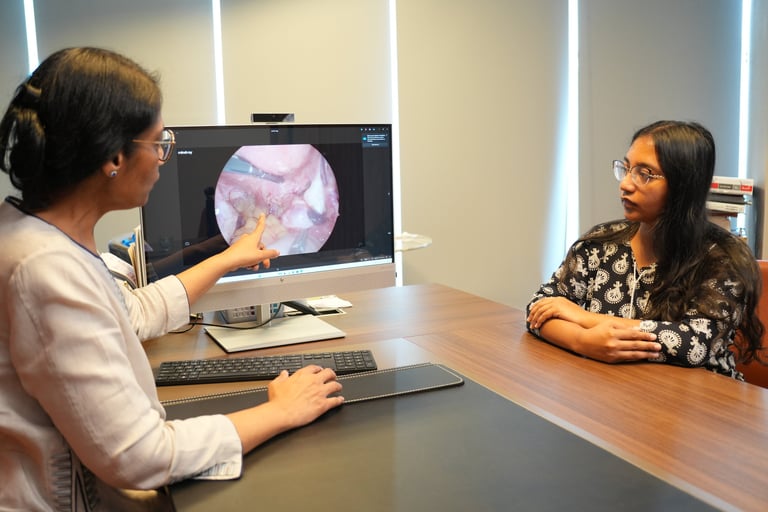
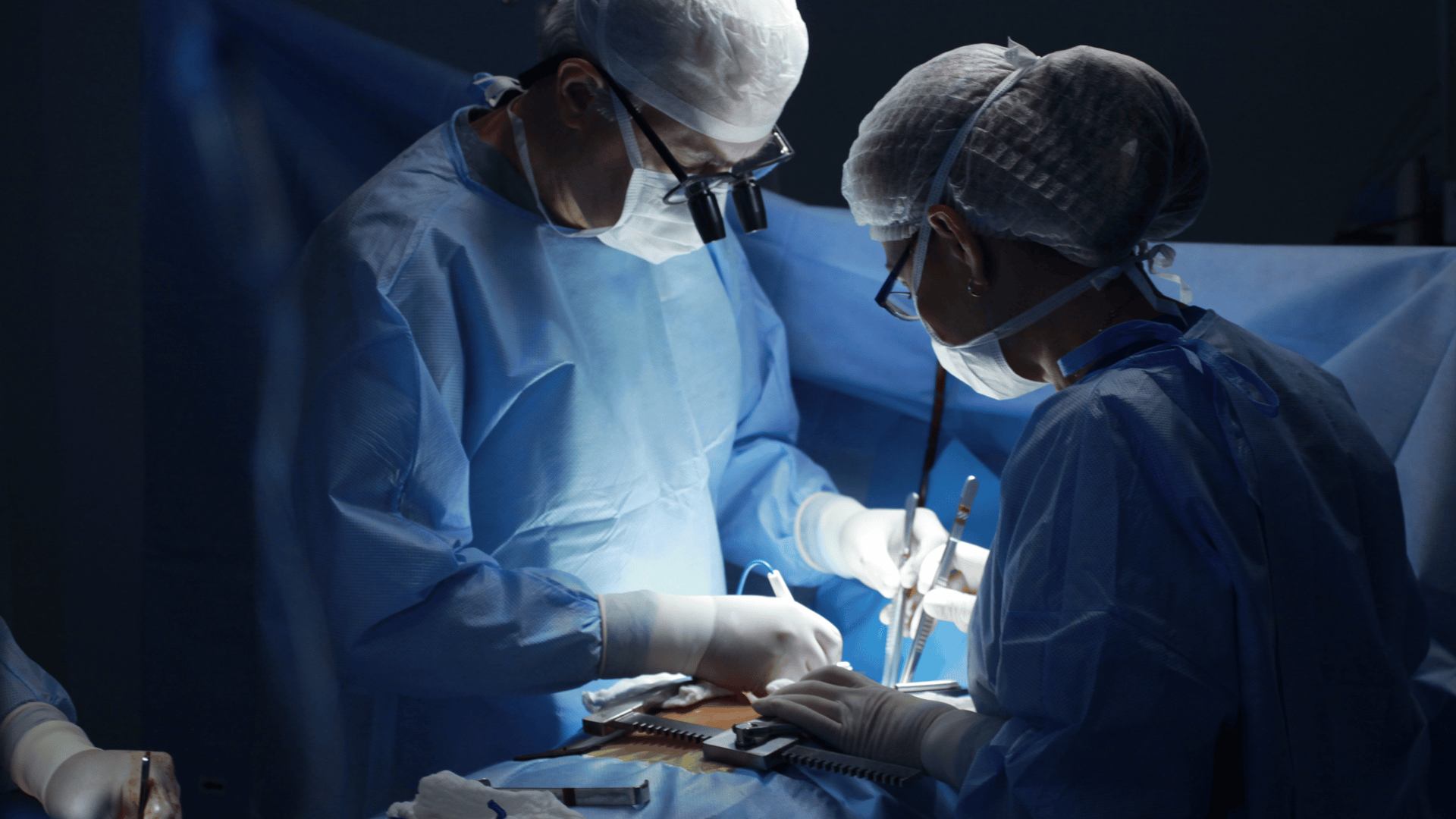
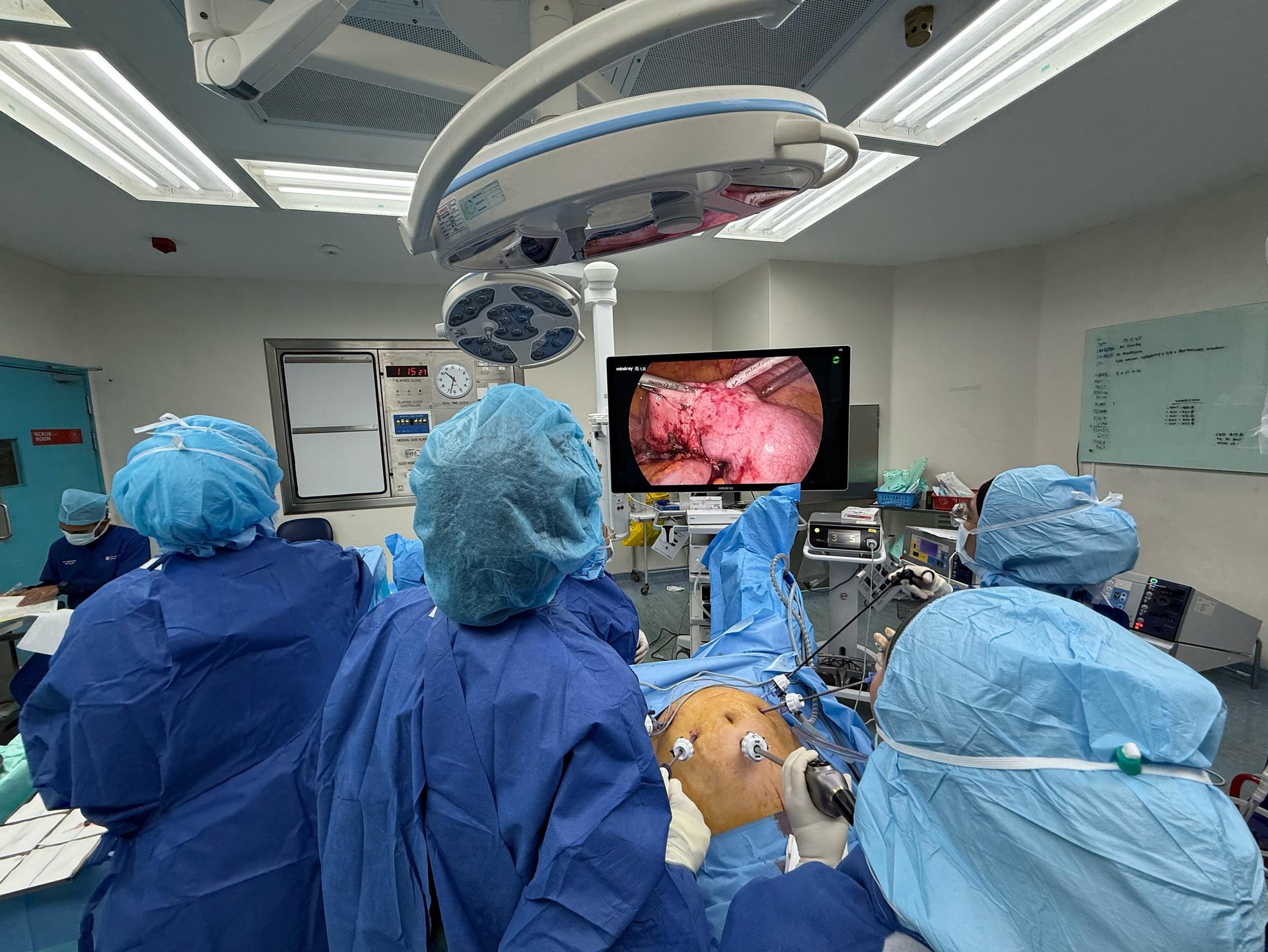
Diagnostic laparoscopy — a minimally invasive surgical procedure that allows direct visualisation and confirmation of endometriotic lesions
Awareness and self-advocacy play a big role. Keeping a symptom diary, tracking menstrual pain patterns, and discussing them openly with your doctor can be crucial in speeding up diagnosis.
If you’ve been struggling with chronic pelvic or lower back pain, fatigue, or digestive issues that worsen around your period, these could be red flags. Common signs include:
Painful or heavy menstrual bleeding
Pain during intercourse
Painful bowel movements or urination during menstruation
Infertility or difficulty conceiving
Persistent fatigue or bloating
If these symptoms sound familiar, it’s important to consult a gynaecologist who specialises in endometriosis. Early diagnosis can help prevent complications and improve quality of life.
How to Recognize the Signs of Endometriosis
Living With Endometriosis — You’re Not Alone
The journey to diagnosis can be emotionally exhausting. Many women feel dismissed or misunderstood, but the truth is — your pain is real, and help is available. Understanding why endometriosis is misdiagnosed can empower patients to ask the right questions, seek second opinions, and find doctors who truly listen.
Conclusion: Seek Help Early
2. Imaging Tests Aren’t Always Accurate
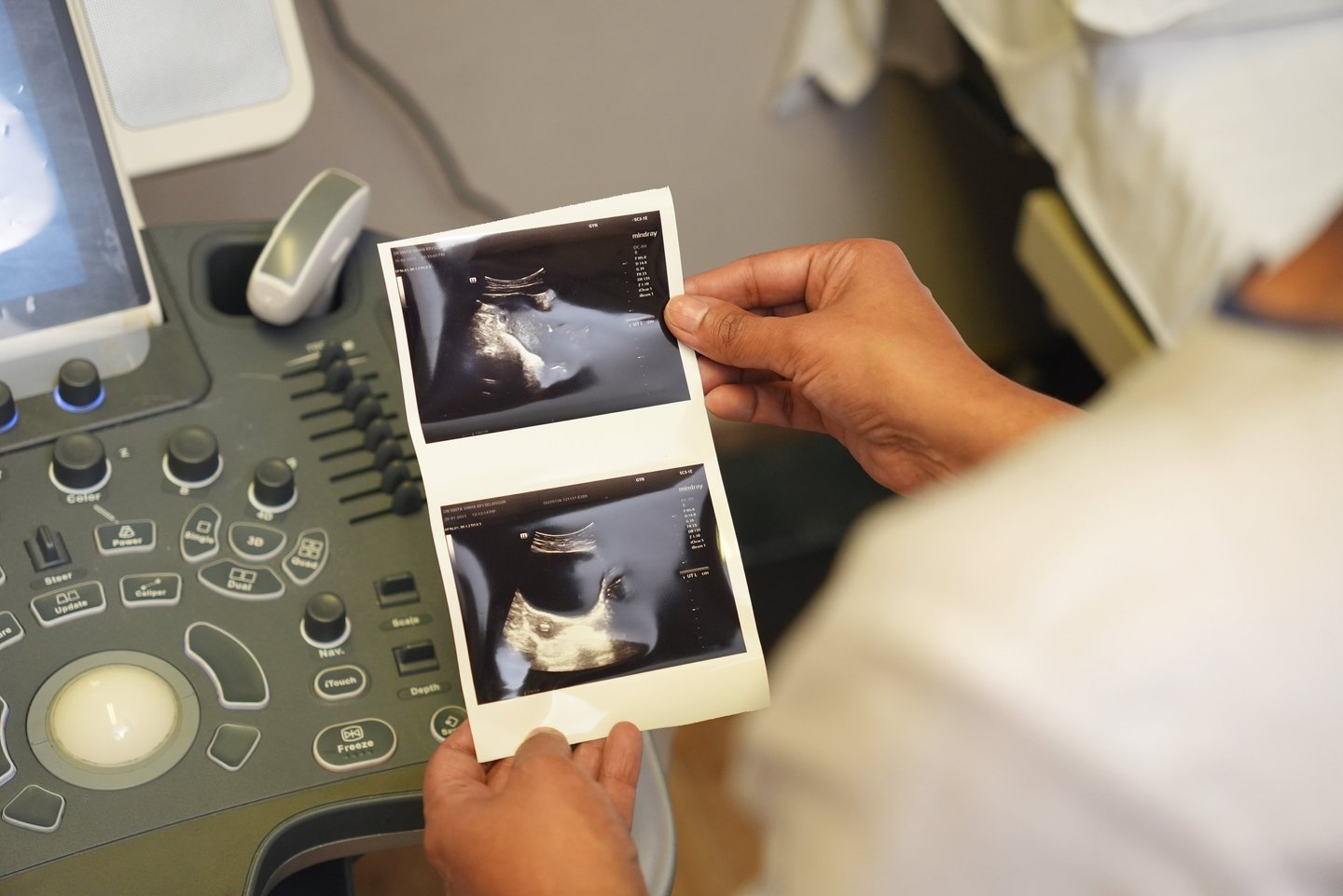
While ultrasound and MRI scans can help identify cysts or deep infiltrating endometriosis, not all forms are visible on imaging. Superficial or small lesions may go undetected, especially if the scan is not performed by a specialist trained in identifying subtle signs of endometriosis.
As a result, many women are told their scans are “normal” — and their symptoms are dismissed.
3. Pain Is Often Normalized
Cultural and social beliefs play a major role in why endometriosis is misdiagnosed. Many women are taught from a young age that period pain is normal and something to be tolerated. When they do seek help, their complaints are often minimized or brushed off as stress, anxiety, or “just part of being a woman.”
This normalization delays proper evaluation and causes emotional distress, as patients start doubting their own experiences.


4. Overlap With Other Conditions
Endometriosis can mimic other medical issues like irritable bowel syndrome (IBS), urinary tract disorders, pelvic inflammatory disease, or even musculoskeletal pain. Without a thorough assessment, these overlapping symptoms make endometriosis diagnosis challenging.
It’s common for women to see multiple specialists — gastroenterologists, orthopaedists, or urologists — before ever being referred to a gynaecologist familiar with endometriosis.


5. Limited Awareness Among Healthcare Providers
Despite increasing awareness, some healthcare professionals may still underestimate how complex and varied endometriosis can be. The lack of standardised training and limited access to specialised endometriosis centres contribute to misdiagnosis and delayed treatment.
This is slowly changing as more doctors undergo training in recognising subtle presentations of the disease.


Endometriosis is not just “bad period pain.” It’s a complex condition that requires specialised care and compassion. If your symptoms persist or worsen despite treatment, it’s time to see an endometriosis specialist.
Dr. Smita, Consultant Gynaecologist based in Kuala Lumpur, provides comprehensive care for women struggling with chronic pelvic pain, heavy periods, or infertility related to endometriosis.
Don’t suffer in silence. Book a consultation today to find answers — and relief.
Contact Us
Clinic: +60355433285
Whatsapp: +60165833302
Email: smitaobgyn@gmail.com


Why Us?
About Us
Services
Endometriosis
Robotic Surgery
Articles